Q
What do the outer diameter and inner diameter values in the table represent?
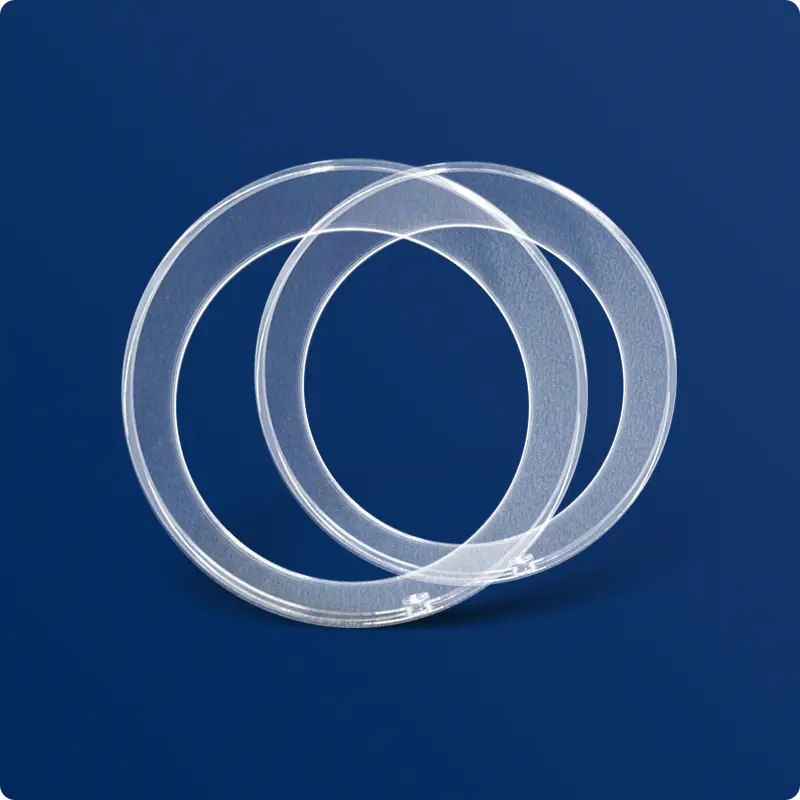
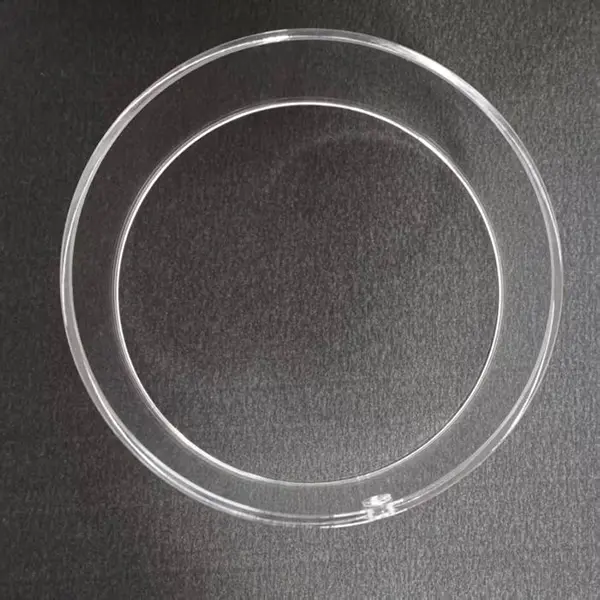
The outer diameter refers to the total external dimension of the component, while the inner diameter refers to the bore or hole size. Both are measured in millimeters (mm) and define the key structural dimensions of the part.
Q
Why do tolerance values increase as the outer diameter gets larger?
Larger components are more challenging to manufacture with tight precision due to material behavior, thermal expansion, and machining limitations. Therefore, tolerances are progressively relaxed for larger outer diameters, ranging from ±0.2 mm for small sizes up to ±1.5 mm for 300 mm outer diameters.
Q
Can I request a custom inner diameter not listed in the table?
Yes. The inner diameter options listed (e.g., 15/20, 20/30) represent standard configurations. Custom inner diameter sizes can be accommodated based on your specific application requirements. Please contact us with your specifications for a tailored solution.
Q
What is the significance of the height range (e.g., 5~20, 10~150)?
The height range indicates the minimum and maximum available heights for each outer diameter size. This allows flexibility in selecting the appropriate component height to suit your assembly or application requirements within the specified range.
Q
Are tighter tolerances available for critical applications?
Yes. For precision-critical applications, tighter tolerances beyond the standard values listed in this table can be manufactured. Additional processing steps such as grinding or honing may be required, which could affect lead time and cost. Please inquire for details.
Q
Do the height tolerances differ from the diameter tolerances for larger sizes?
Yes. For larger components (outer diameter ≥ 150 mm), the height tolerance is generally tighter than the diameter tolerance. For example, a 200 mm outer diameter component has diameter tolerances of ±1.0 mm but a height tolerance of only ±0.8 mm, reflecting the different machining constraints for axial versus radial dimensions.