
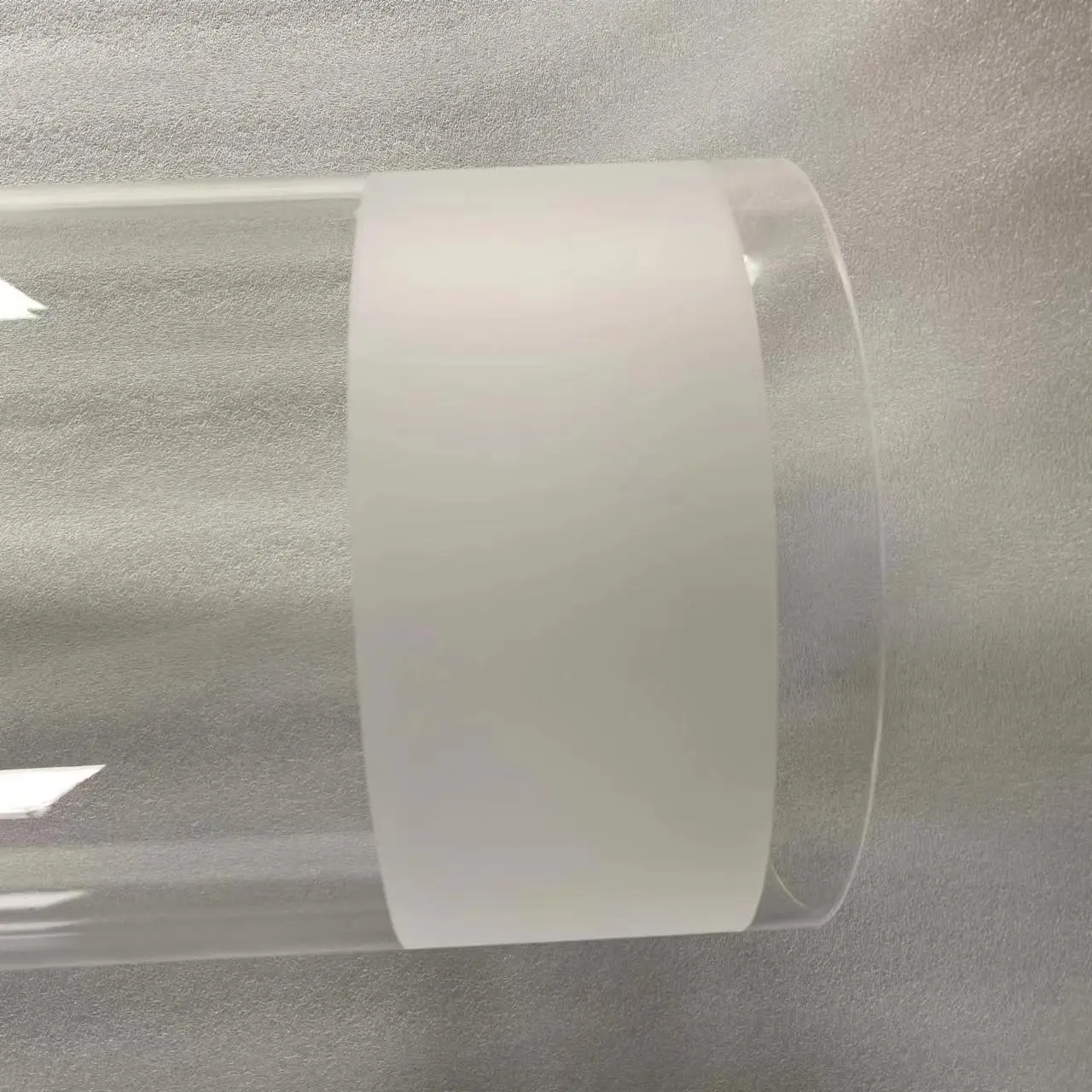
Custom Customized Quartz Products from China Suppliers - High-Purity Quartz Instruments from Factory Product, Products

,

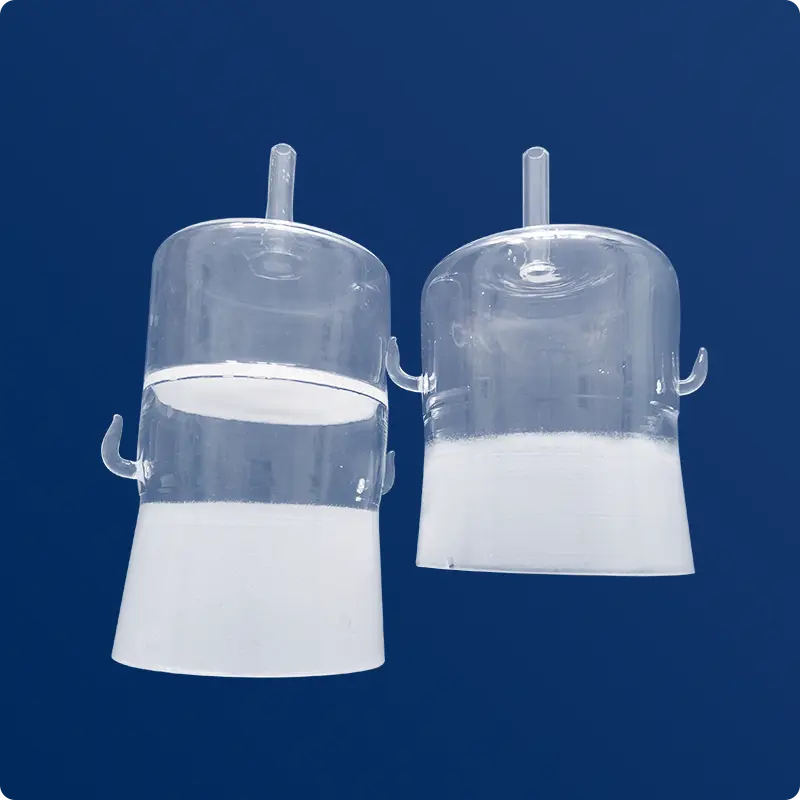
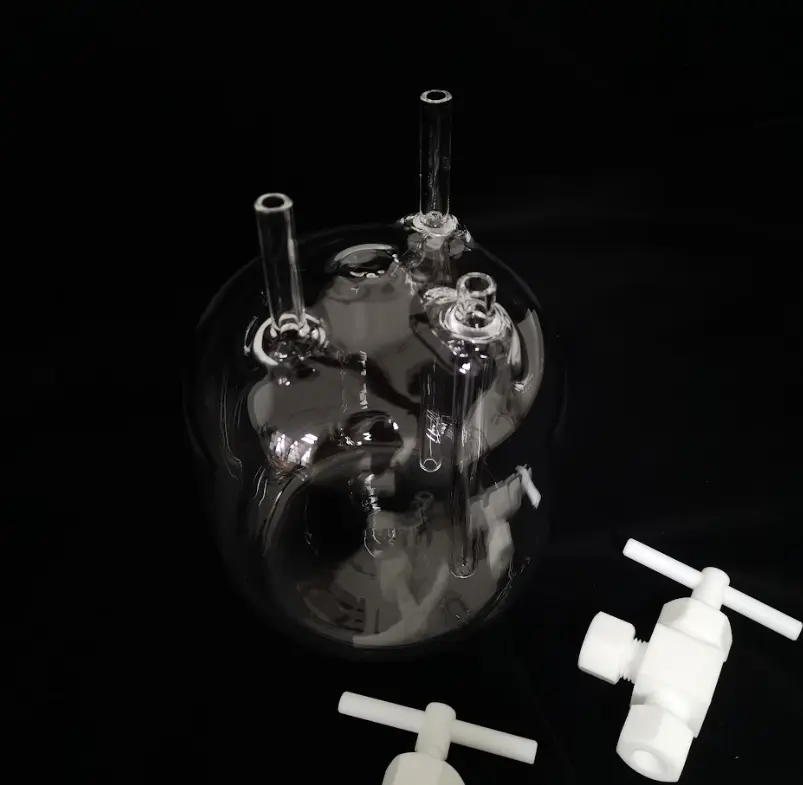
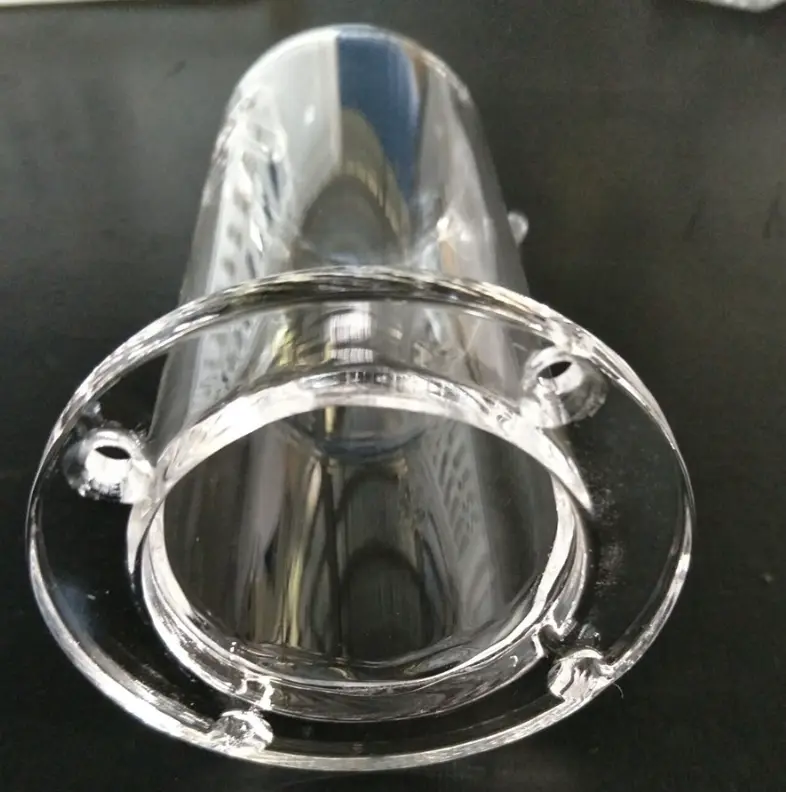
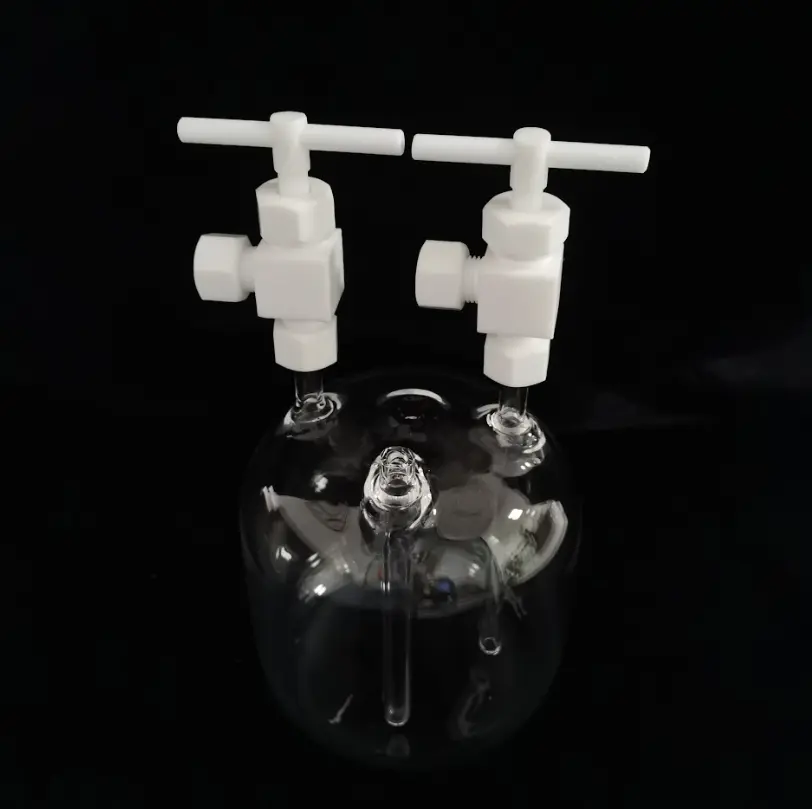
Our quartz instruments, crafted from high-purity quartz material, represent the pinnacle of quality and durability. As a leading factory in China, we offer a comprehensive range of products including quartz tubes, quartz boats, quartz crucibles, quartz reactors, quartz spiral tubes, and quartz reaction vessels. These instruments are renowned for their remarkable characteristics such as high temperature resistance, excellent corrosion resistance, superior light transmittance, and strong chemical stability. Our quartz products find extensive applications in various fields including semiconductors, photovoltaics, chemicals, and scientific research. As trusted suppliers, we provide core instruments essential for high-temperature processing, precision synthesis, and optical experiments, ensuring unparalleled process accuracy and reliable equipment operation.

,

Product Description

Product Specifications
Property Parameter Standard Values
Density 2.2 g/cm³
Compressive strength 1100 MPa
Flexural strength 67 MPa
Poisson's ratio 0.14 ~ 0.17
Young's modulus 72,000 MPa
Modulus of rigidity 31,000 MPa
Mohs hardness 5.5 ~ 6.5
Transformation point 1280 °C
Softening Point 1780 °C
Annealing point 1250 °C
Specific heat (20 ~ 350 °C) 670 J/kg·°C
Thermal conductivity (20 °C) 1.4 W/m·°C
Index of refraction 1.4585
Low thermal expansion coefficient 5.5 × 10⁻⁷ cm/cm·°C
Thermal processing temperature 1750 ~ 2050 °C
Short-term use temperature 1300 °C
Long-term use temperature 1100 °C
Material Silicon Dioxide (Natural Quartz)
Color Transparent or colorless
Surface No air bubble, no line
Strain 1270°C Fused Quartz Glass Brick
PPM grade Controlled 10 / 20 / 100 PPM
Shape Circle
Thickness 2 mm – 20 mm
Frequently Asked Questions
Q What is the maximum operating temperature of fused quartz glass?
Fused quartz glass can withstand a short-term use temperature of up to 1300 °C and a long-term continuous use temperature of up to 1100 °C. Its thermal processing temperature ranges from 1750 °C to 2050 °C, making it one of the most thermally stable glass materials available.
Q Why does fused quartz glass have such a low thermal expansion coefficient?
The extremely low thermal expansion coefficient of 5.5 × 10⁻⁷ cm/cm·°C is a result of its amorphous silicon dioxide (SiO₂) structure. This property gives fused quartz exceptional thermal shock resistance, allowing it to endure rapid temperature changes without cracking.
Q What does the PPM grade mean for quartz glass and why does it matter?
PPM (parts per million) grade refers to the level of metallic impurity content within the quartz glass. Available in controlled grades of 10, 20, and 100 PPM, lower PPM values indicate higher purity, which is critical for semiconductor, optical, and high-precision industrial applications where contamination must be minimized.
Q What thickness options are available for quartz glass?
Quartz glass is available in thicknesses ranging from 2 mm to 20 mm. The circular shape and wide thickness range make it highly versatile for various industrial, laboratory, and optical applications.
Q How does the compressive strength of fused quartz compare to its flexural strength?
Fused quartz has a very high compressive strength of 1100 MPa, making it highly resistant to compression forces. However, its flexural (bending) strength is significantly lower at 67 MPa, which is typical for glass materials. This means quartz glass performs best in applications where compressive rather than bending loads are applied.
Q Is fused quartz glass the same as regular glass?
No. Fused quartz glass is made from pure Silicon Dioxide (natural quartz) and is fundamentally different from standard soda-lime glass. It offers superior thermal resistance, a much lower thermal expansion coefficient, higher purity, and better optical transparency — particularly in UV wavelengths — making it suitable for demanding scientific and industrial environments.

Related Products






