Custom High Purity Quartz Rods & Fused Silica Rods - China Factory & Suppliers for Semiconductors & Laboratory Manufacturer, Manufacturers

,
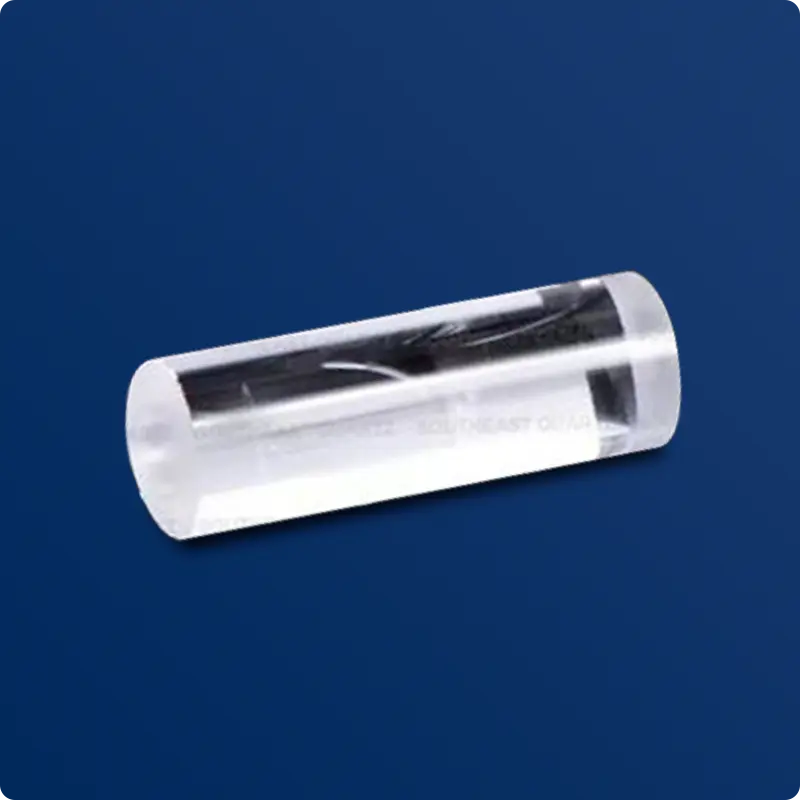
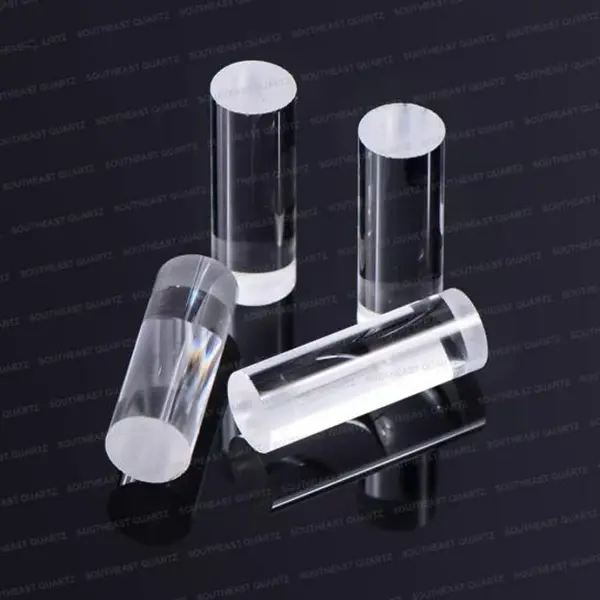
Our high-performance quartz rods, manufactured in China, are made from fused silica (SiO₂ ≥ 99.99%). These cylindrical products exhibit exceptional high-temperature resistance, with a softening point of approximately 1730°C and the capability for long-term use at temperatures up to 1100°C. They are renowned for their excellent UV-IR transmittance, low thermal expansion, and remarkable chemical inertness, being resistant to most acids except HF. Additionally, quartz rods provide outstanding electrical insulation properties. As leading suppliers and a dedicated factory in China, we cater to various industries, including optics, semiconductors, lasers, lab instruments, and high-temperature applications, making our quartz rods essential materials for precision and harsh-environment applications.
,
,

Our quartz rods are cylindrical components crafted from high-purity silicon dioxide (SiO₂). These products are produced by melting natural or synthetic quartz and forming them into solid rods through advanced drawing or molding techniques.

,

Quartz rods serve as fundamental semi-finished materials that can be further fabricated into tubes, supports, or optical components, reinforcing our position as top suppliers and manufacturers in the industry.

,
,

Product Description

Product Specifications

Product Details
Cross-sectional Dimensions
Tolerances Standard Lengths
3 × 3 ±0.1 100–1000
4 × 4 ±0.1 100–1000
5 × 5 ±0.1 100–1000
6 × 6 ±0.15 100–1000
8 × 8 ±0.15 100–1000
10 × 10 ±0.2 100–1000
15 × 15 ±0.2 100–500
20 × 20 ±0.25 100–500
Frequently Asked Questions
Q
What do the cross-sectional dimensions in the table refer to?
The cross-sectional dimensions (e.g., 3×3, 10×10) represent the width and height of the square cross-section in millimeters. These are the nominal dimensions used to identify and select the appropriate size for your application.
Q
What do the tolerance values (e.g., ±0.1, ±0.25) mean?
Tolerances indicate the allowable deviation from the nominal cross-sectional dimension during manufacturing. For example, a ±0.1 mm tolerance means the actual dimension can be 0.1 mm larger or smaller than the stated size, ensuring consistent fit and function in precision applications.
Q
Why do larger cross-sections have higher tolerance values?
As cross-sectional dimensions increase, achieving the same level of absolute precision becomes more challenging during the manufacturing process. Therefore, larger sizes such as 15×15 and 20×20 are assigned slightly wider tolerances (±0.2 and ±0.25 respectively) to maintain practical and cost-effective production standards.
Q
Why are the standard lengths shorter for larger cross-sections (100–500 vs. 100–1000)?
Larger cross-section sizes (15×15 and 20×20) are offered in a shorter standard length range of 100–500 mm. This is typically due to material weight, handling considerations, and the specific application requirements for larger profiles, where longer lengths are less commonly needed.
Q
Can custom lengths outside the standard range be ordered?
The table lists standard available lengths. For custom length requirements outside the specified ranges, it is recommended to contact the supplier or manufacturer directly to discuss custom cutting options, minimum order quantities, and lead times.
Q
What units are used for the dimensions and lengths in this table?
All cross-sectional dimensions and tolerance values are expressed in millimeters (mm). The standard lengths are also given in millimeters (mm), ranging from 100 mm to 1000 mm depending on the profile size selected.

Related Products