
Custom High-Quality Fused Silica Quartz Plates from China Suppliers - Heat Resistant Factory Products Manufacturers, Suppliers

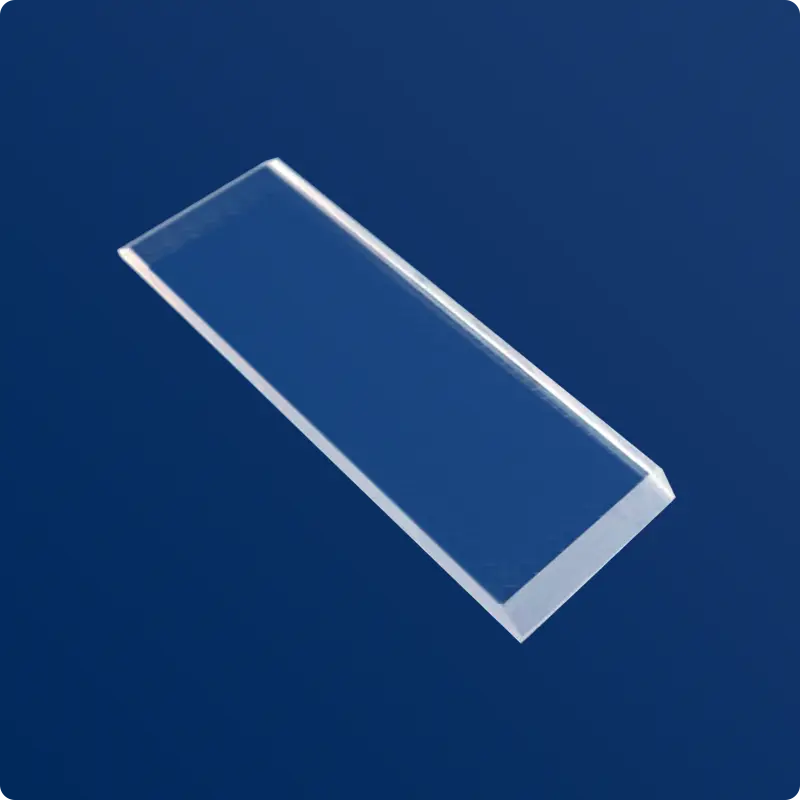
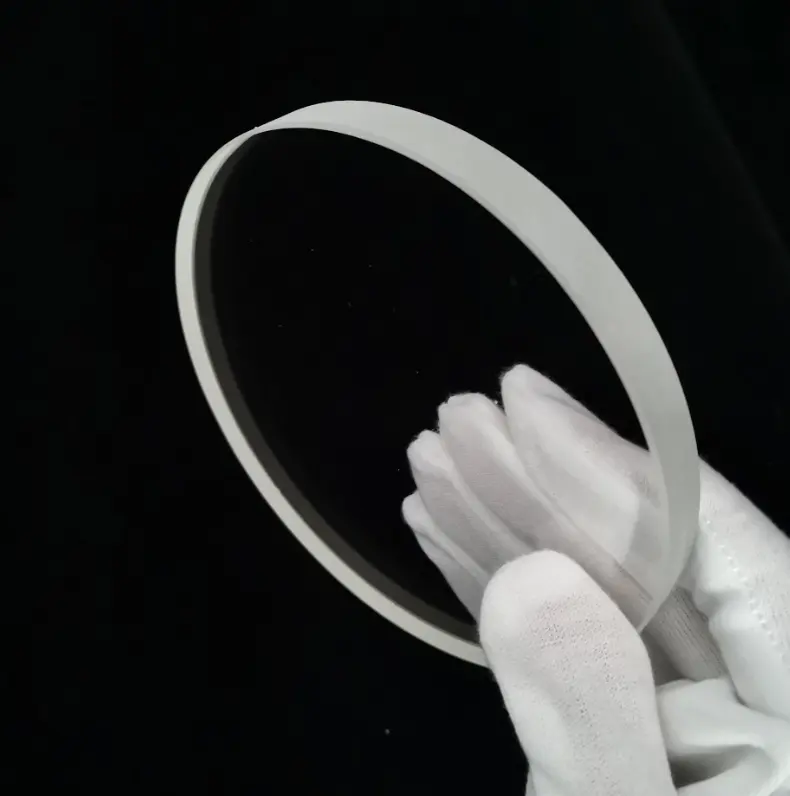
Quartz sheets, produced by our factory in China, are crafted from high-purity silicon dioxide (SiO₂) known for their excellent properties such as high temperature resistance, superior light transmittance, and a low coefficient of expansion. These quartz plates, often referred to as fused quartz or quartz glass plates, are customizable in size and thickness to suit various applications. Widely utilized in sectors like optical windows, semiconductor manufacturing, and laboratory glassware, our quartz sheets are essential components in optoelectronic devices and scientific research equipment. As leading suppliers in the industry, we ensure high-quality products tailored to meet the rigorous demands of our customers

Product Description

Product Specifications

📐 All dimensions are in millimeters (mm). Tolerances may vary depending on material grade and manufacturing process. Please consult our technical team for custom sizes.
📏Length × Width (mm) ⚙️Dimensional Tolerances (mm) 🔲Standard Thickness (mm) 🎯Thickness Tolerances (mm)

10 × 10

±0.1

0.5 / 1.0 / 2.0

±0.05 ~ ±0.1

20 × 20

±0.1

0.5 / 1.0 / 2.0 / 3.0

±0.05 ~ ±0.1

30 × 30

±0.1

1.0 / 2.0 / 3.0

±0.05 ~ ±0.1

40 × 40

±0.1 ~ ±0.2

1.0 / 2.0 / 3.0 / 4.0

±0.08 ~ ±0.1

50 × 50

±0.1 ~ ±0.2

1.0 / 2.0 / 3.0 / 5.0

±0.08 ~ ±0.1

60 × 60

±0.2

2.0 / 3.0 / 5.0

±0.1

80 × 80

±0.2

2.0 / 3.0 / 5.0

±0.1

100 × 100

±0.2 ~ ±0.3

2.0 / 3.0 / 5.0

±0.1

150 × 150

±0.3

3.0 / 5.0

±0.1 ~ ±0.2

200 × 200

±0.3 ~ ±0.5

3.0 / 5.0

±0.1 ~ ±0.2

❓Frequently Asked Questions
QWhat do the dimensional tolerances in this table mean?
Dimensional tolerances refer to the allowable deviation from the specified length and width measurements. For example, a tolerance of ±0.1 mm means the actual dimension may be up to 0.1 mm larger or smaller than the nominal value, ensuring parts fit within acceptable limits for their application.
QWhy do larger sizes have wider tolerances?
As the size of a part increases, it becomes more challenging to maintain the same level of precision during manufacturing. Larger pieces are subject to more variability from thermal expansion, material properties, and machining limitations, which is why tolerances widen from ±0.1 mm for smaller sizes up to ±0.5 mm for 200×200 mm dimensions.
QCan I request a custom size not listed in this table?
Yes, custom sizes are available upon request. The standard sizes listed in this table represent our most commonly stocked dimensions. For non-standard sizes, please contact our technical team to discuss feasibility, lead times, and applicable tolerances for your specific requirements.
QWhat is the thinnest standard thickness available, and for which sizes?
The thinnest standard thickness available is 0.5 mm, which is offered for the 10×10 mm and 20×20 mm sizes. Smaller dimensions are better suited for thinner profiles due to the structural integrity requirements of the material at larger sizes.
QHow are thickness tolerances different from dimensional tolerances?
Dimensional tolerances apply to the length and width (the planar dimensions) of a part, while thickness tolerances refer specifically to the allowable deviation in the depth or height of the material. Both are critical for ensuring proper fit and function, but they are controlled through different manufacturing processes and tools.
QAre tighter tolerances available for high-precision applications?
Yes, tighter tolerances beyond the standard specifications can be achieved for high-precision applications. This may involve additional processing steps, specialized equipment, or material selection. Please reach out to our engineering team with your specific tolerance requirements, and we will provide a tailored solution and quotation.

Related Products






