
High-Quality Customized High-Purity Quartz Products - China Suppliers and Factory for Semiconductor and Scientific Applications Supplier, Factory

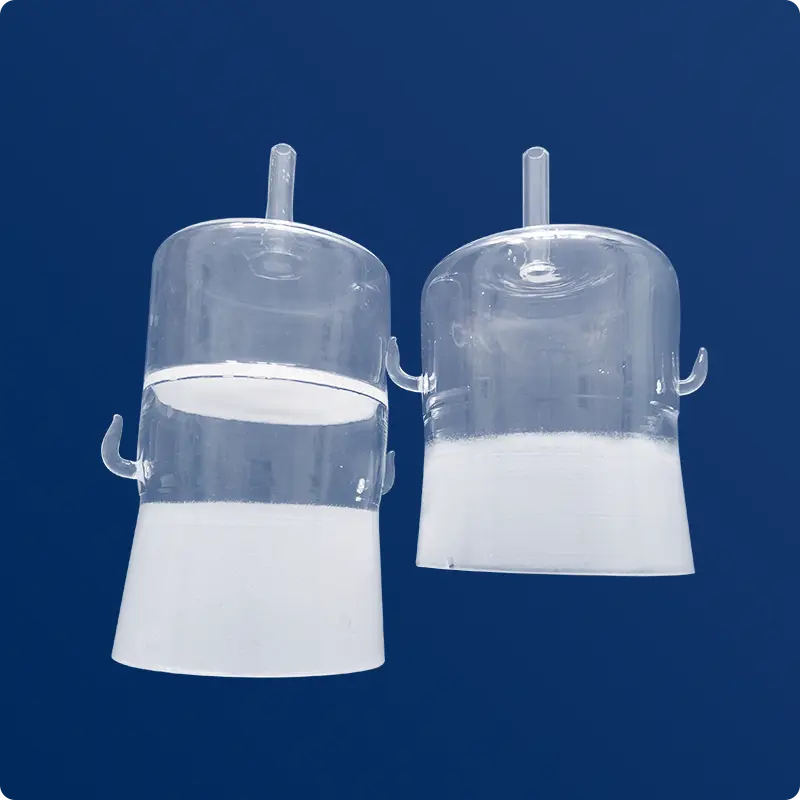
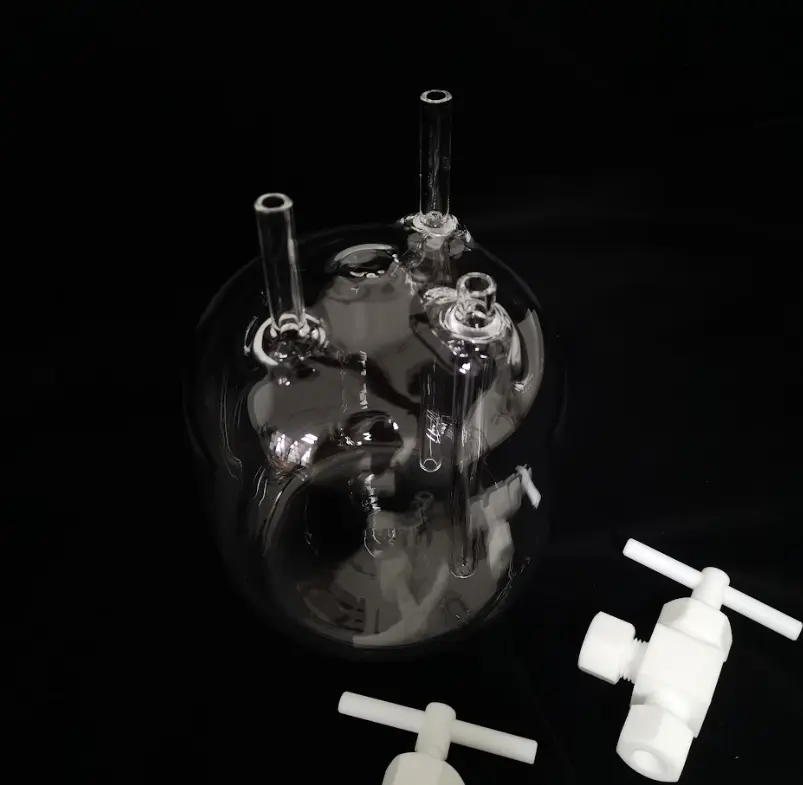
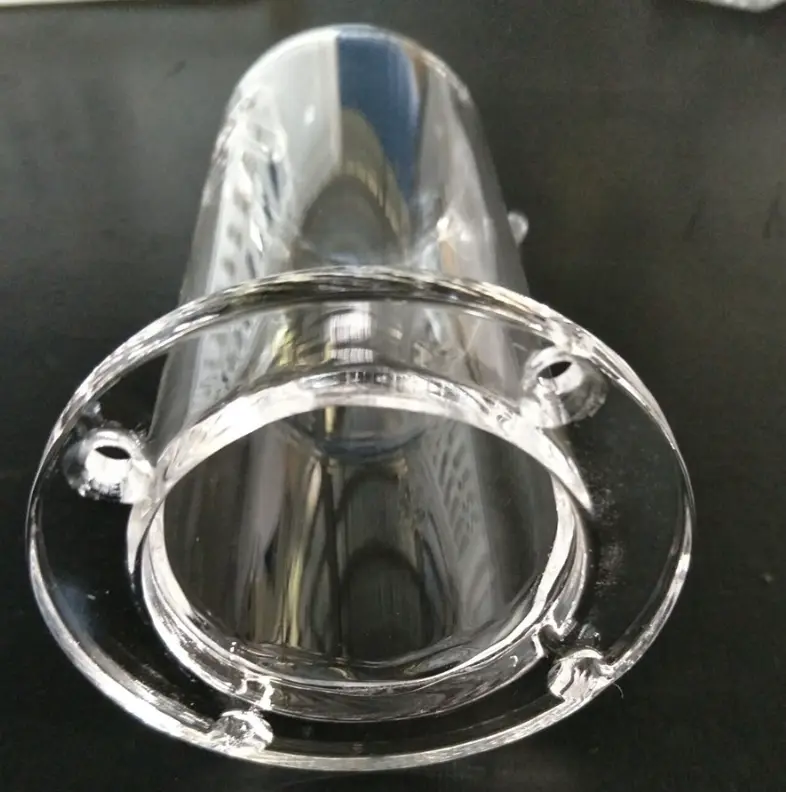
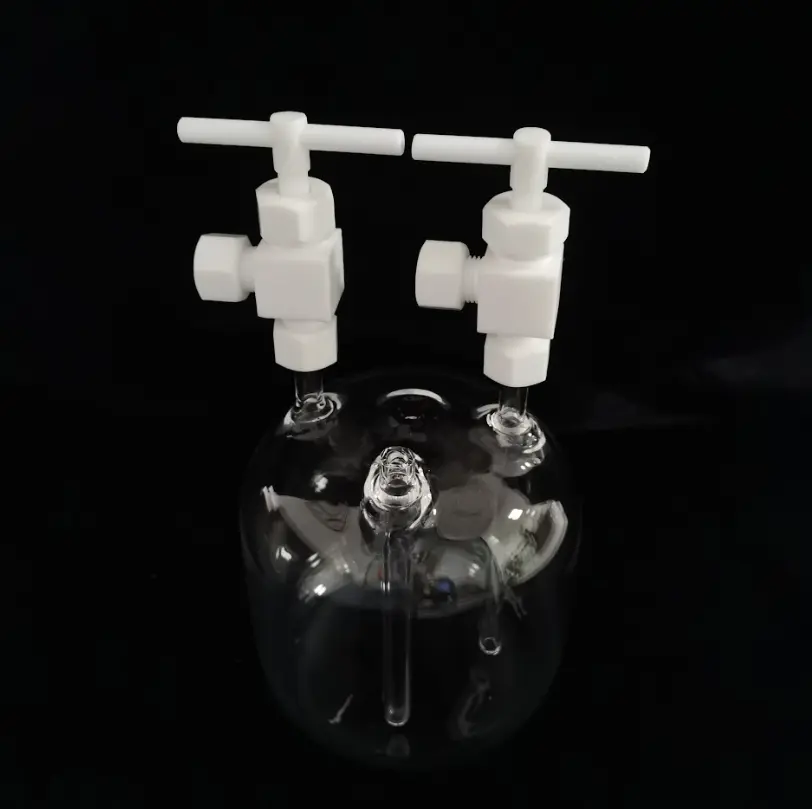
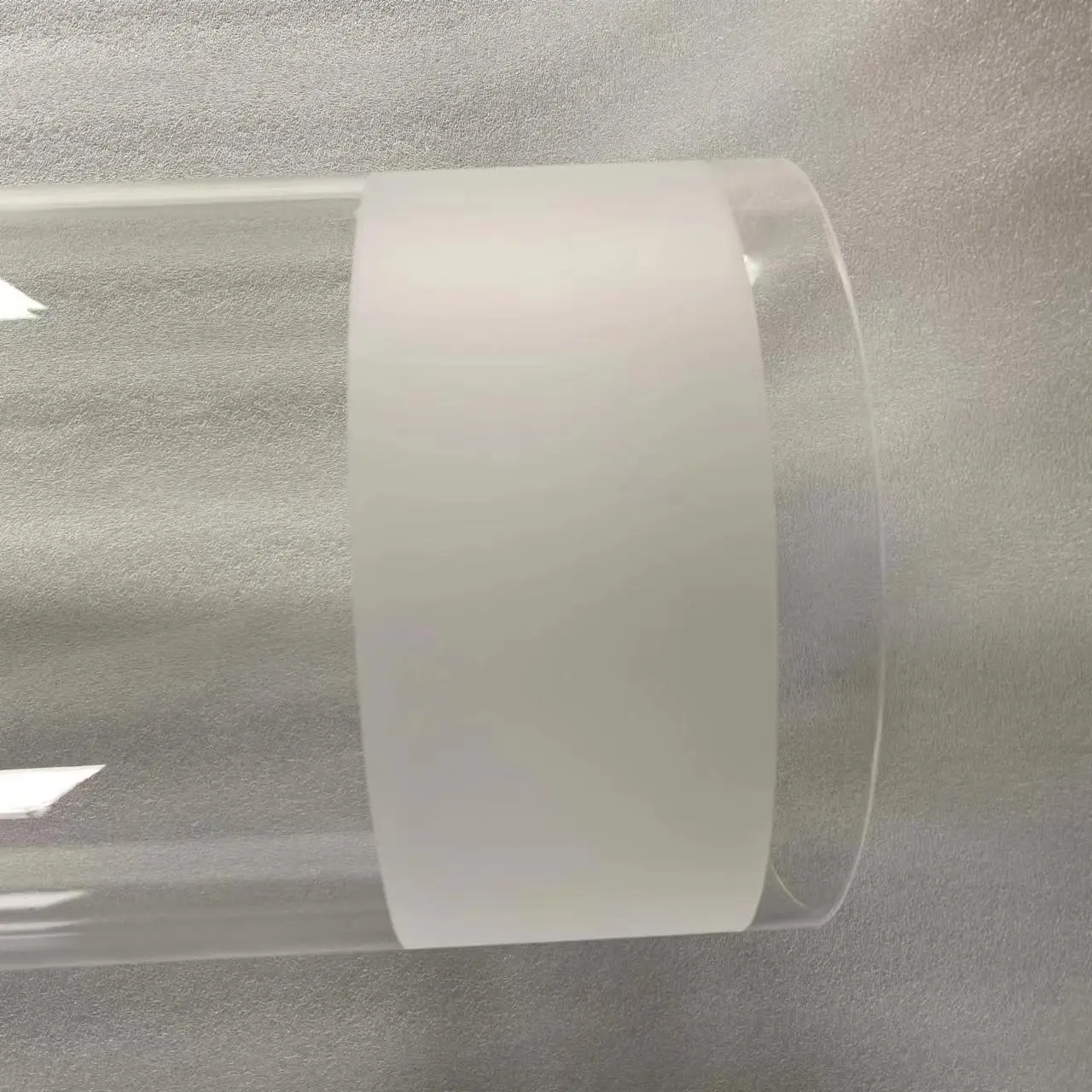
High-purity quartz instruments are essential components in various high-tech industries, and our factory in China specializes in producing a wide range of these products. We offer quartz tubes, quartz boats, quartz crucibles, quartz reactors, quartz spiral tubes, and quartz reaction vessels. Known for their exceptional temperature and corrosion resistance, as well as excellent light transmittance and strong chemical stability, our quartz instruments are ideal for applications in semiconductors, photovoltaics, chemicals, and scientific research. As leading suppliers, we ensure that our products meet the highest standards, making them indispensable in high-temperature processing, precision synthesis, and optical experiments to guarantee accuracy and reliable equipment performance. Choose our China factory for high-quality quartz solutions tailored to your needs

Product Description

Mechanical & Physical Properties — Standard Values
Mechanical Behavior Standard Values
Density 2.2 g/cm³
Compressive strength 1100 MPa
Flexural strength 67 MPa
Poisson's ratio 0.14 ~ 0.17
Young's modulus 72,000 MPa
Modulus of rigidity 31,000 MPa
Mohs hardness 5.5 ~ 6.5
Transformation point 1280 °C
Softening Point 1780 °C
Annealing point 1250 °C
Specific heat (20 ~ 350 °C) 670 J/kg·°C
Thermal conductivity (20 °C) 1.4 W/m·°C
Index of refraction 1.4585
Low thermal expansion coefficient 5.5 × 10⁻⁷ cm/cm·°C
Thermal processing temperature 1750 ~ 2050 °C
Short-term use temperature 1300 °C
Long-term use temperature 1100 °C
Material Silicon Dioxide (Natural Quartz)
Color Transparent or Colorless
Surface No Air Bubble, No Line
Strain 1270°C Fused The Quartz Glass Brick
PPM grade Controlled 10 / 20 / 100 PPM
Shape Circle
Thickness 2 MM – 20 MM
Frequently Asked Questions
Q1 What is the maximum operating temperature for quartz glass made from natural silicon dioxide?
Quartz glass made from natural silicon dioxide (SiO₂) can withstand a short-term use temperature of up to 1300 °C and a long-term use temperature of up to 1100 °C. Its softening point is as high as 1780 °C, making it suitable for demanding high-temperature applications.
Q2 Why does quartz glass have such a low thermal expansion coefficient?
The ultra-low thermal expansion coefficient of 5.5 × 10⁻⁷ cm/cm·°C is a result of the unique amorphous structure of fused silica. This property minimizes thermal shock and dimensional change under rapid temperature fluctuations, which is critical for precision optical and industrial applications.
Q3 What thickness options are available for quartz glass discs?
Quartz glass discs are available in thicknesses ranging from 2 MM to 20 MM. Custom thicknesses within this range can typically be accommodated depending on the specific application requirements.
Q4 What does PPM grade mean in the context of quartz glass, and what grades are available?
PPM (parts per million) grade refers to the level of metallic impurities present in the quartz glass. Lower PPM values indicate higher purity. The available controlled grades are 10 PPM, 20 PPM, and 100 PPM, allowing customers to select the appropriate purity level for semiconductor, optical, or industrial uses.
Q5 How does the compressive strength of quartz glass compare to its flexural strength?
Quartz glass exhibits a very high compressive strength of 1100 MPa, while its flexural (bending) strength is significantly lower at 67 MPa. This is typical for glass materials — they perform exceptionally well under compressive loads but are more susceptible to bending or tensile stresses, so care should be taken in structural applications.
Q6 Is the surface of this quartz glass free of defects such as air bubbles or striae?
Yes. The quartz glass is manufactured to a no air bubble, no line (striae-free) surface standard. It is transparent and colorless, ensuring optical clarity and consistent performance in light transmission and precision applications.

Related Products






