
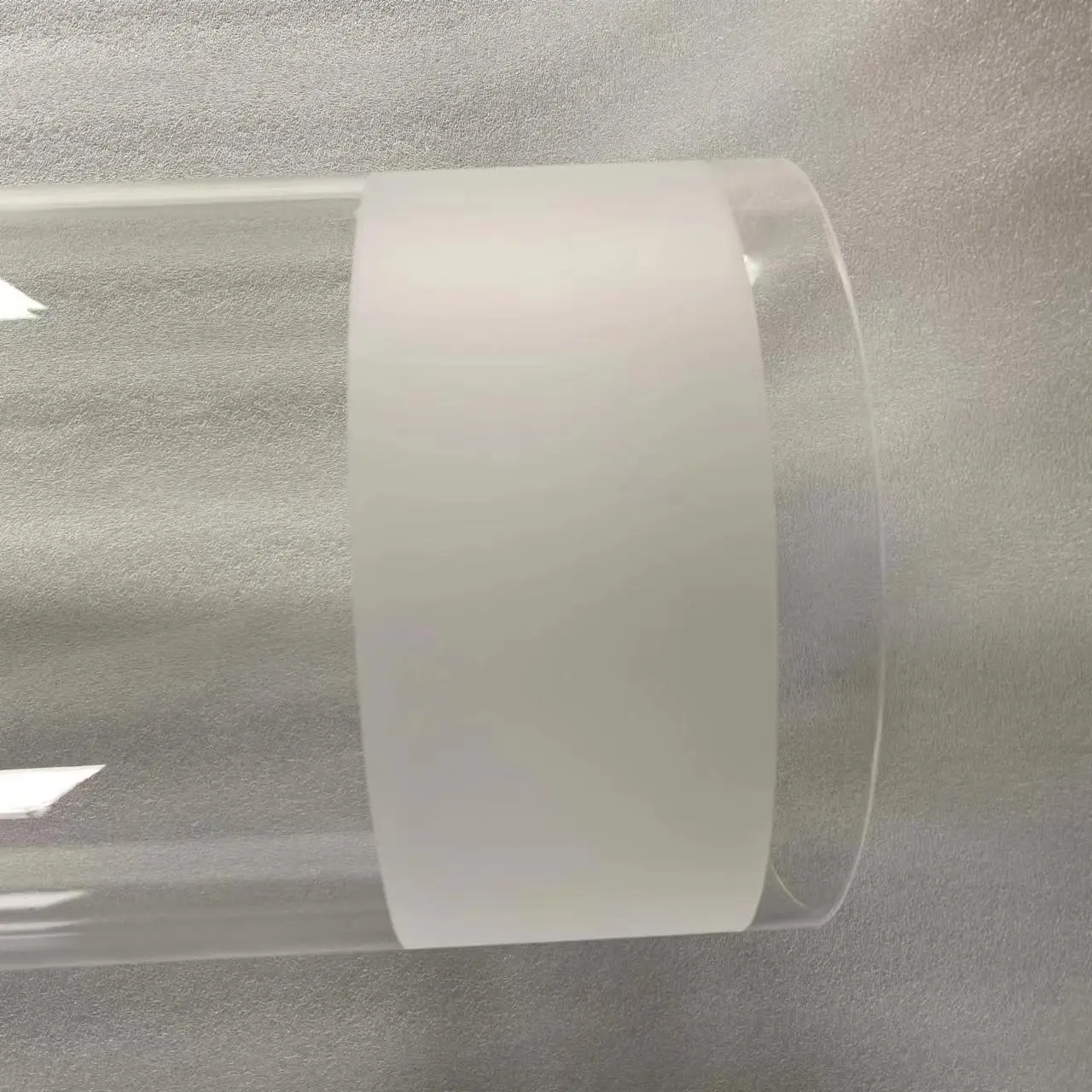
High-Quality Customized High-Purity Quartz Products from China - Leading Suppliers and Factory for Semiconductor and Chemical Applications Manufacturers, Products

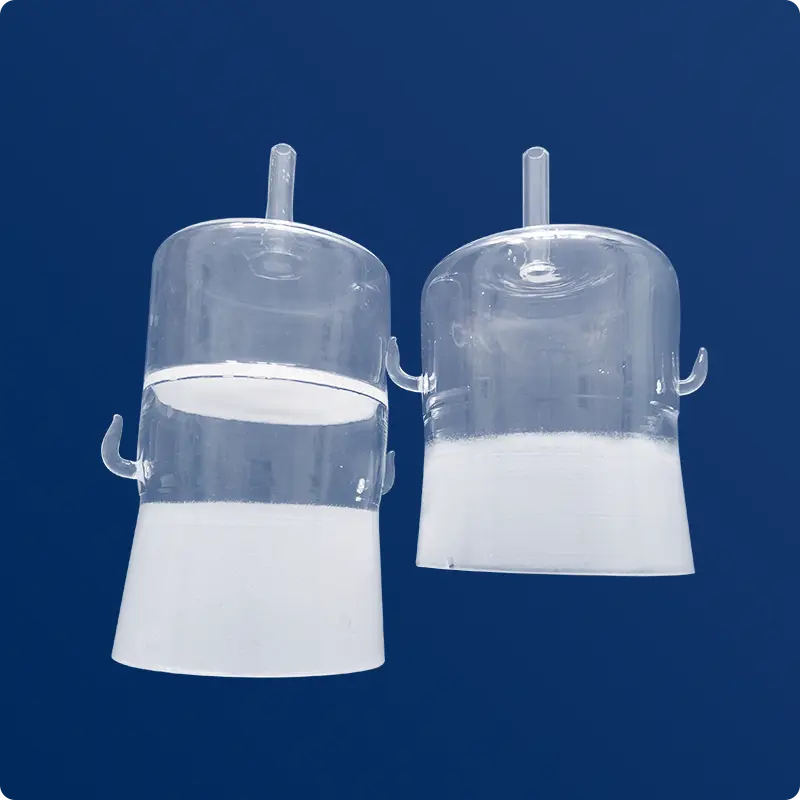
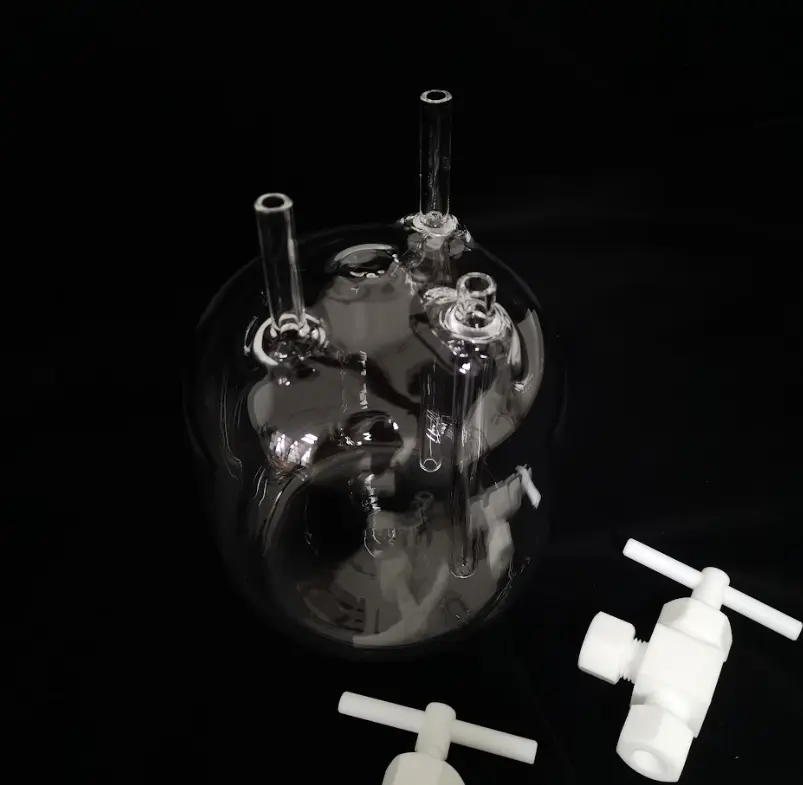
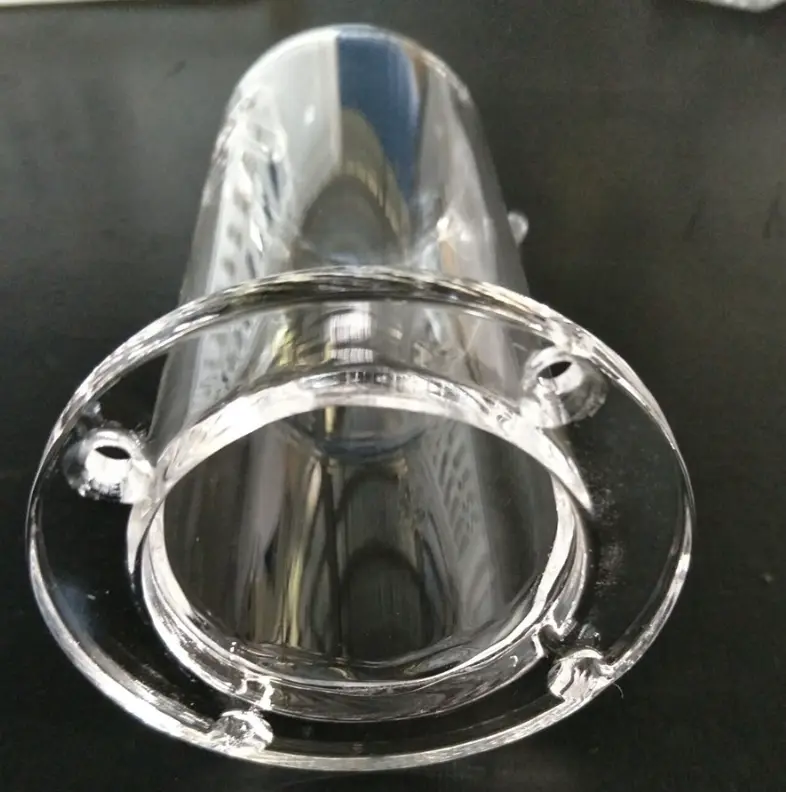
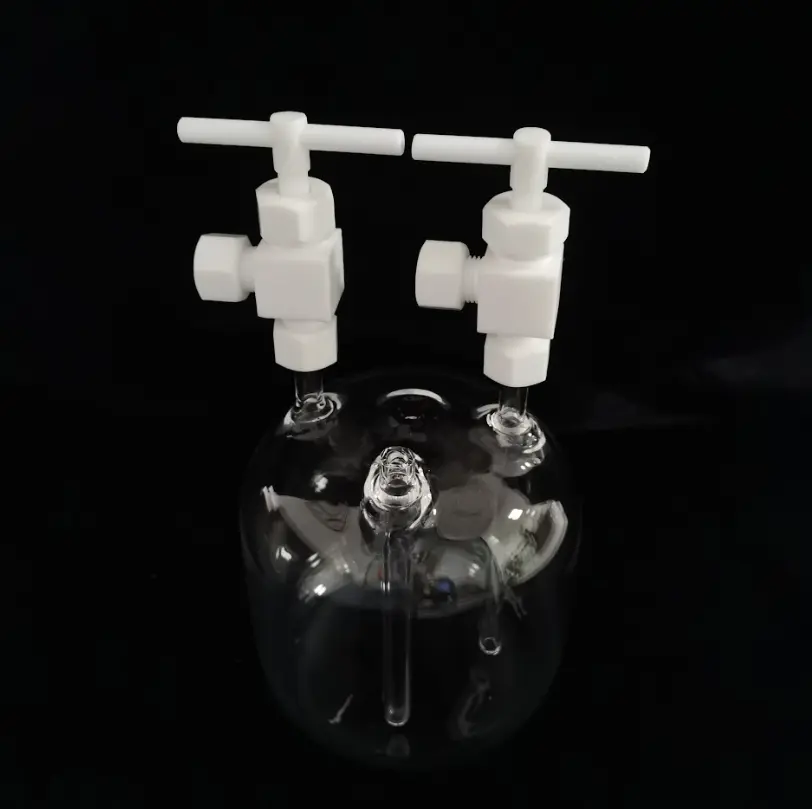
Quartz instruments, crafted from high-purity quartz material, encompass a diverse range of products including quartz tubes, quartz boats, quartz crucibles, quartz reactors, quartz spiral tubes, and quartz reaction vessels. Renowned for their high temperature resistance, corrosion resistance, superior light transmittance, and robust chemical stability, these quartz instruments are indispensable in various industries such as semiconductors, photovoltaics, chemicals, and scientific research. As a leading factory and supplier in China, we provide essential tools for high-temperature processing, precision synthesis, and optical experiments, ensuring process accuracy and reliable equipment performance. Trust our quartz instruments to meet your operational needs with unparalleled quality and durability

Product Description

Product Specifications & Technical Data
Property / Parameter Standard Values
Mechanical Behavior
Density 2.2 g/cm³
Compressive Strength 1100 MPa
Flexural Strength 67 MPa
Poisson's Ratio 0.14 ~ 0.17
Young's Modulus 72000 MPa
Modulus of Rigidity 31000 MPa
Mohs Hardness 5.5 ~ 6.5
Thermal Properties
Transformation Point 1280 °C
Softening Point 1780 °C
Annealing Point 1250 °C
Specific Heat (20 ~ 350 °C) 670 J/kg·°C
Thermal Conductivity (20 °C) 1.4 W/m·°C
Low Thermal Expansion Coefficient 5.5 × 10⁻⁷ cm/cm·°C
Thermal Processing Temperature 1750 ~ 2050 °C
Short-Term Use Temperature 1300 °C
Long-Term Use Temperature 1100 °C
Material & Optical Specifications
Index of Refraction 1.4585
Material Composition Silicon Dioxide (Natural Quartz)
Color Appearance Transparent or Colorless
Surface Quality No Air Bubble, No Line
Strain Point 1270 °C Fused Quartz Glass Brick
PPM Grade Controlled 10 / 20 / 100 PPM
Shape Geometry Circle
Available Thickness 2 mm – 20 mm
Frequently Asked Questions
What is the maximum working temperature for this Fused Quartz Glass Brick?
The continuous long-term operational temperature is rated up to 1100°C, while it can safely endure short-term peaks of up to 1300°C without deformation.
How does the low thermal expansion coefficient benefit performance?
With an exceptionally low coefficient of thermal expansion (5.5 × 10⁻⁷ cm/cm·°C), this quartz material exhibits remarkable thermal shock resistance, preventing structural fractures under drastic temperature swings.
What is the purity level and material grade of this quartz glass?
The component is produced from natural high-purity Silicon Dioxide (SiO₂) with tightly monitored contamination levels available in 10, 20, or 100 PPM grades.
What are the primary mechanical strength specifications?
Key mechanical parameters include a compressive strength of 1100 MPa, a flexural rating of 67 MPa, and a hardness score of 5.5 to 6.5 on the Mohs scale, offering outstanding rigidity.
Are there optical flaws such as surface lines or embedded air bubbles?
No, every unit undergoes precision manufacturing to maintain an optically clean, transparent profile free from structural lines, inclusion defects, or air bubbles.
What are the standard configurations and thickness choices?
The standard geometric shape is circular, supported by versatile thickness ranges between 2 mm and 20 mm to meet custom technical environments.

Related Products






