High-Quality High Purity Quartz Rods from China Suppliers | Fused Silica Rod Factory for Semiconductors & Lab Applications Suppliers, Product

,
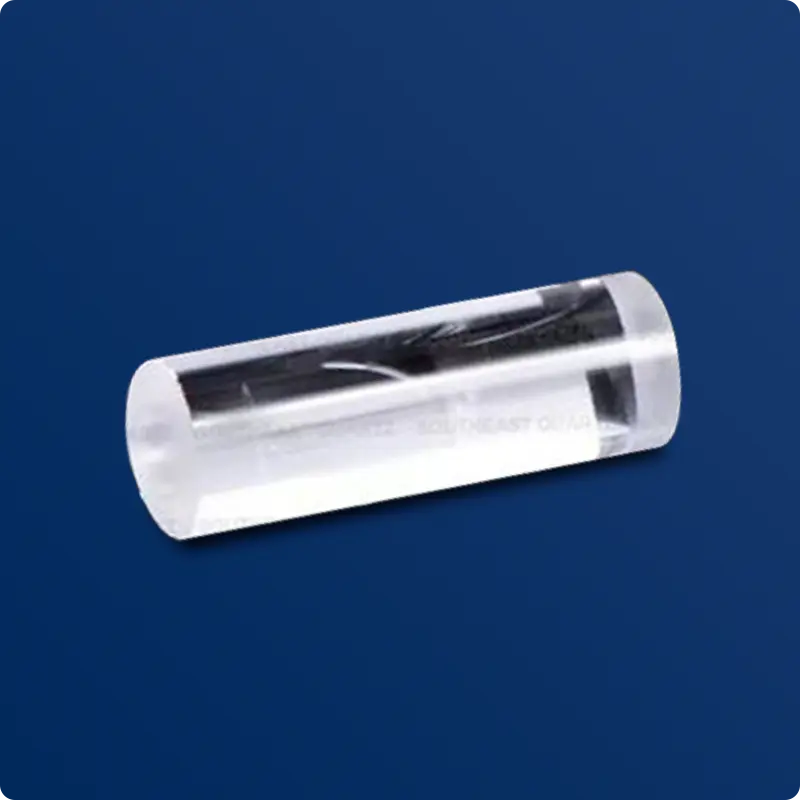
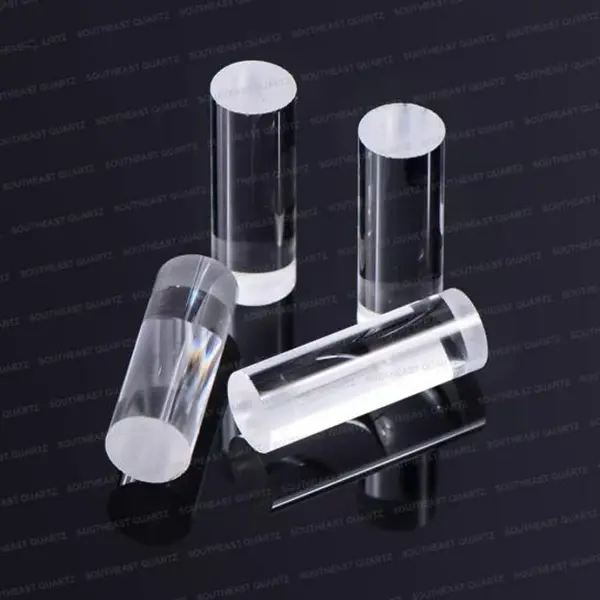
Our quartz rods are high-performance cylindrical products manufactured in China from fused silica (SiO₂ ≥ 99.99%). Engineered for exceptional high-temperature resistance with a softening point of approximately 1730°C and capable of long-term use at 1100°C, these rods also boast excellent UV-IR transmittance, low thermal expansion, and superb chemical inertness, being resistant to most acids except HF. Additionally, they provide outstanding electrical insulation. As a vital material for various applications including optics, semiconductors, lasers, laboratory instruments, and high-temperature equipment, our quartz rods are essential for precision and harsh-environment scenarios.
,
,

Crafted from high-purity silicon dioxide (SiO₂), our quartz rods are produced by melting natural or synthetic quartz and shaping it into solid cylindrical forms through advanced drawing or molding processes.

,

These quartz rods are fundamental semi-finished materials, ideal for further fabrication into tubes, supports, or optical components, making us one of the leading suppliers and factories in the industry.

,
,

Product Description

Product Specifications

Product Details
Standard Cross-sectional Dimensions, Tolerances & Lengths
Cross-sectional Dimensions (mm) Tolerances (mm) Standard Lengths (mm)
3 × 3 ±0.1 100 – 1000
4 × 4 ±0.1 100 – 1000
5 × 5 ±0.1 100 – 1000
6 × 6 ±0.15 100 – 1000
8 × 8 ±0.15 100 – 1000
10 × 10 ±0.2 100 – 1000
15 × 15 ±0.2 100 – 500
20 × 20 ±0.25 100 – 500
Frequently Asked Questions
Q What do the cross-sectional dimensions in the table refer to?
The cross-sectional dimensions refer to the width and height measurements (in millimeters) of the square bar or profile. For example, a 10×10 mm dimension means the piece measures 10 mm on each side of its cross-section.
Q What do the tolerance values mean, and why do they vary by size?
Tolerances indicate the acceptable deviation from the specified dimension during manufacturing. Larger cross-sections naturally allow slightly greater tolerances (e.g., ±0.25 mm for 20×20 mm) because precision machining becomes more challenging at larger scales, while smaller sizes such as 3×3 mm maintain tighter tolerances of ±0.1 mm.
Q Why are the standard lengths for 15×15 and 20×20 limited to 100–500 mm?
Larger cross-sectional sizes such as 15×15 mm and 20×20 mm are typically used in applications requiring higher structural strength. The shorter standard length range of 100–500 mm reflects common practical usage requirements and helps maintain material integrity and dimensional accuracy during production.
Q Can custom lengths outside the standard range be ordered?
Yes, custom lengths beyond the listed standard ranges are generally available upon request. It is recommended to contact the supplier directly to discuss specific requirements, as custom orders may involve minimum order quantities or additional lead times.
Q What materials are typically available in these cross-sectional dimensions?
These cross-sectional dimensions are commonly available in a range of materials including stainless steel, carbon steel, aluminum alloy, and brass, depending on the application requirements. The appropriate material should be selected based on factors such as strength, corrosion resistance, and operating environment.
Q How should I select the right cross-sectional size for my application?
Selecting the correct size depends on the mechanical load requirements, available installation space, and required precision. Smaller sizes (3×3 to 6×6 mm) are ideal for precision instruments and lightweight assemblies, while larger sizes (10×10 to 20×20 mm) suit heavy-duty structural or industrial applications. Consulting an engineer or the manufacturer is recommended for critical applications.

Related Products