► What does "Outer Diameter" refer to in this specification table?
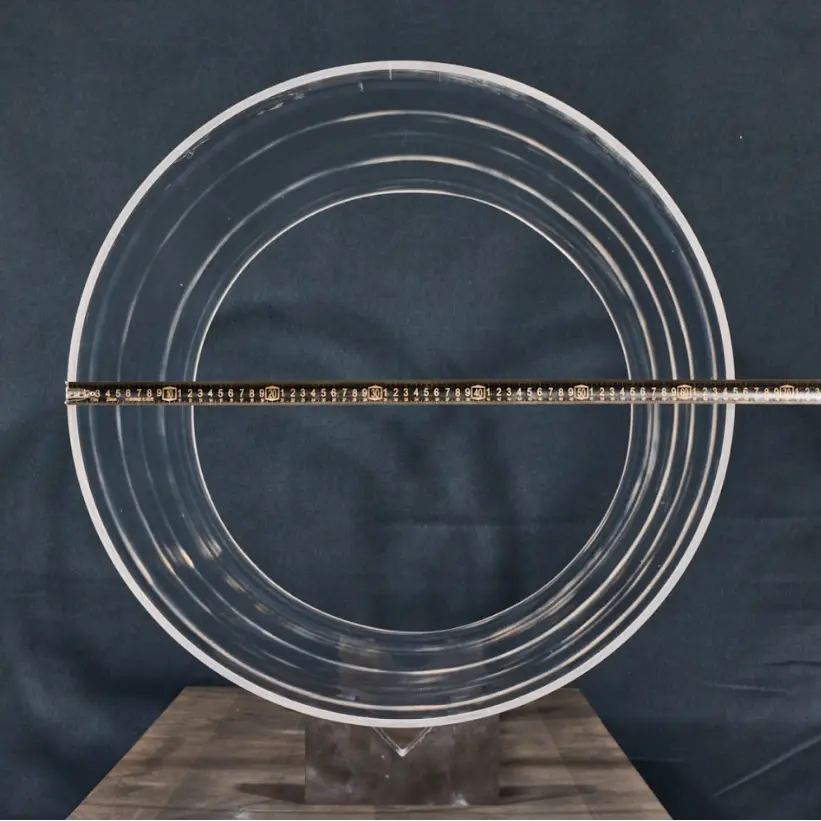
The outer diameter (OD) refers to the total external measurement across the widest point of the pipe or tube, measured in millimeters (mm). It is a critical dimension used to determine compatibility with fittings, flanges, and installation spaces.
► Why does the outer diameter tolerance increase as the pipe size gets larger?
Larger pipes are more challenging to manufacture with tight precision due to the increased material volume and thermal expansion effects during production. As a result, the allowable tolerance range expands proportionally with the outer diameter to maintain practical manufacturability while still meeting engineering standards.
► What is the significance of wall thickness tolerance in pipe specifications?
Wall thickness tolerance defines the acceptable variation from the nominal wall thickness during manufacturing. It directly affects the pipe's pressure-bearing capacity, structural integrity, and weight. Tighter tolerances are required for high-pressure or safety-critical applications, while broader tolerances may be acceptable for general use.
► Why is the standard length shorter for pipes with larger outer diameters (700mm and above)?
Pipes with larger outer diameters are significantly heavier and more difficult to transport and handle on-site. Reducing the standard length (e.g., from 2000mm to 1800mm or 1500mm) helps manage weight per unit, reduces transportation risks, and improves installation safety and efficiency.
► Can pipes be ordered in custom lengths outside the standard range?
Yes, in most cases custom lengths can be arranged based on project requirements. However, custom orders may involve additional lead time and costs. It is recommended to consult with the manufacturer or supplier directly to confirm availability, minimum order quantities, and any applicable specifications.
► How should I select the appropriate wall thickness for my application?
Wall thickness selection depends on several factors including operating pressure, fluid type, temperature, soil conditions (for buried pipes), and applicable industry standards. Generally, higher pressure and more demanding environments require greater wall thickness. Always consult relevant engineering standards and a qualified engineer when specifying wall thickness for critical applications.