❓
Frequently Asked Questions
Q
What do the outer diameter and inner diameter values in the table represent?
A
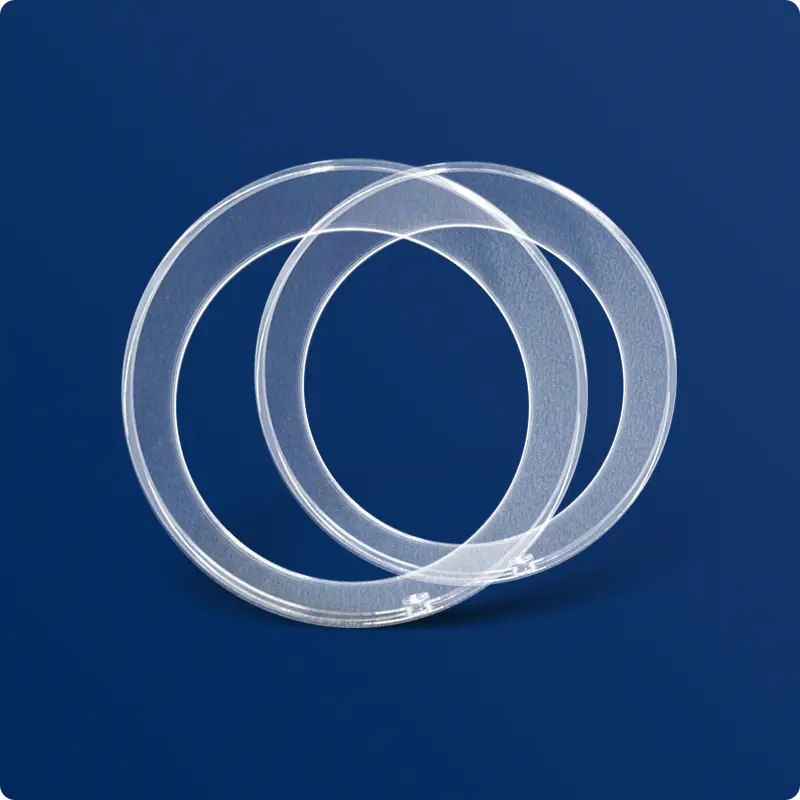
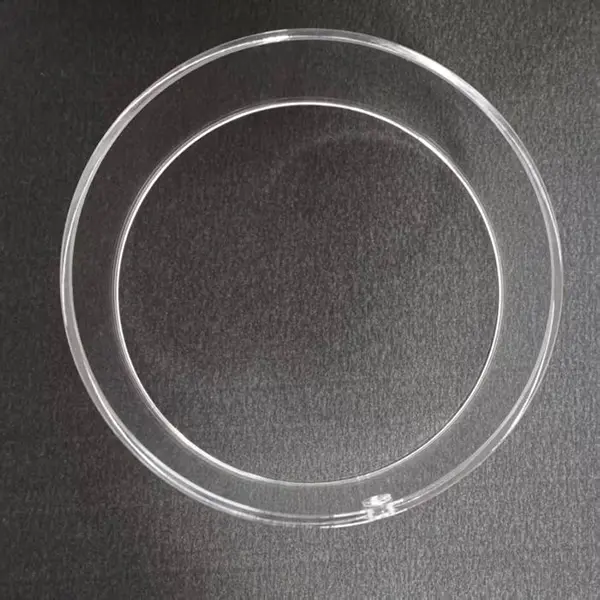
The outer diameter refers to the total outside measurement of the component, while the inner diameter refers to the bore or hole size. Multiple inner diameter options (e.g., 15/20) indicate that different bore sizes are available for the same outer diameter.
Q
Why do tolerance values increase as the outer diameter gets larger?
A
Larger components naturally involve greater dimensional variability during manufacturing. As the outer diameter increases from 20mm to 300mm, tolerances are adjusted from ±0.2mm to ±1.5mm to reflect achievable precision at each size range while maintaining structural integrity.
Q
Can I request a custom height outside the listed range?
A
Yes. The height ranges shown in the table represent standard production options. Custom heights beyond the listed ranges can typically be accommodated — please contact our technical team with your specific requirements for a tailored solution.
Q
Are tighter tolerances available for precision applications?
A
The tolerances listed are standard manufacturing tolerances. For applications requiring tighter precision, special machining or grinding processes may be applied. Please specify your tolerance requirements when placing an inquiry so we can advise on feasibility and cost.
Q
Are all dimensions in the table measured in millimeters?
A
Yes, all dimensional values — including outer diameter, inner diameter, height, and their corresponding tolerances — are expressed in millimeters (mm). If you require dimensions in inches or other units, please let us know and we can provide converted specifications.
Q
What is the significance of the height tolerance being different from the diameter tolerance for larger sizes?
A
For larger outer diameters (150mm and above), the height tolerance is intentionally tighter than the diameter tolerance. This is because height precision is often more critical for stacking, assembly fit, and load-bearing performance, and it is generally easier to control height accuracy during machining than radial dimensions.