📌
All dimensions are in millimeters (mm). Tolerance values increase with larger outer diameters, reflecting standard manufacturing precision requirements. Custom sizes and tighter tolerances are available upon request.
Frequently Asked Questions
Q
What do the outer diameter and inner diameter values in the table represent?
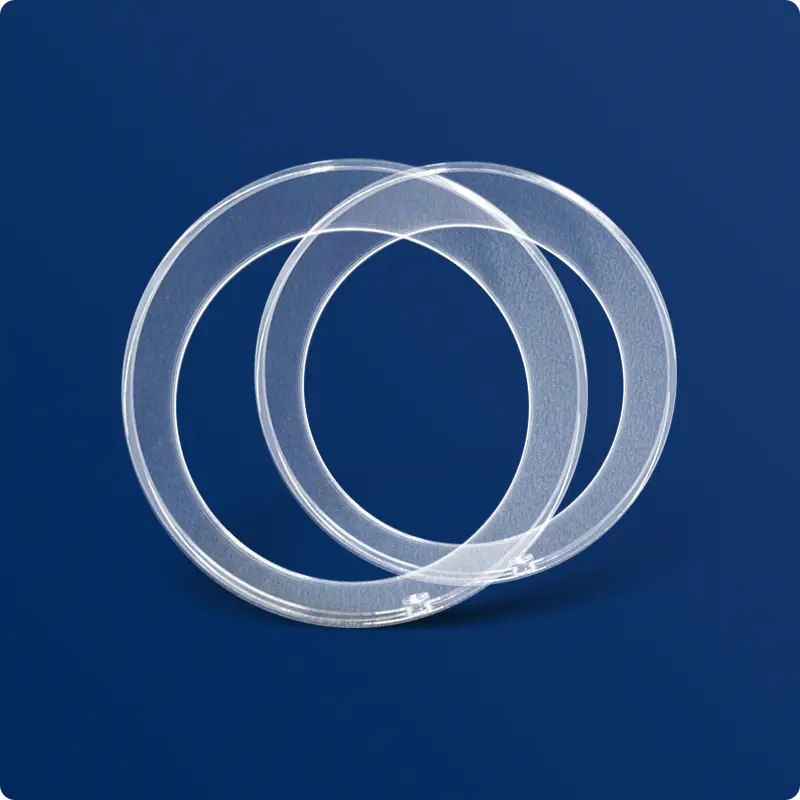
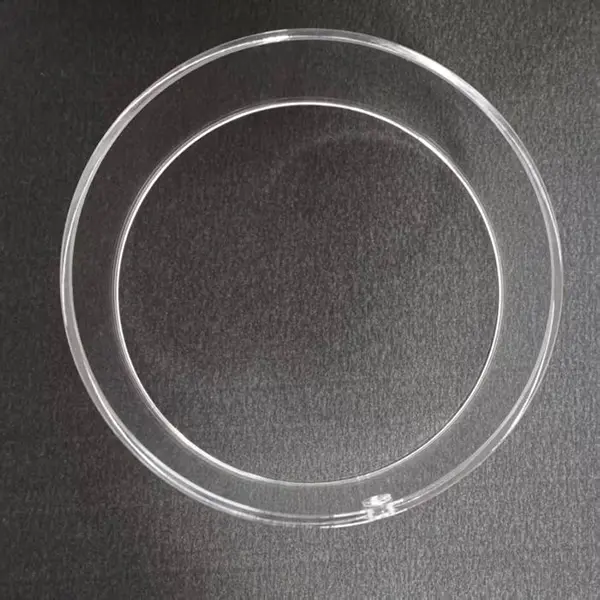
The outer diameter refers to the total external measurement of the part, while the inner diameter refers to the size of the bore or hollow section. Multiple inner diameter options for a single outer diameter (e.g., 15/20 for OD 30mm) indicate the available bore size configurations for that specification.
Q
Why do tolerance values increase as the outer diameter gets larger?
Larger components naturally have greater variation during the manufacturing process. As the outer diameter increases from 20mm to 300mm, the dimensional tolerances widen (from ±0.2mm to ±1.5mm) to accommodate standard machining and production capabilities while still maintaining functional precision.
Q
Can I order a custom height that falls outside the listed height range?
The height ranges listed in the table represent standard production specifications. For custom height requirements outside these ranges, please contact our technical team directly. Custom orders are accepted subject to engineering review and minimum order quantities.
Q
Are tighter tolerances available for precision applications?
Yes. For high-precision applications requiring tighter dimensional tolerances than those listed, custom manufacturing options are available. Please provide your specific tolerance requirements and application details when making an inquiry so we can advise on feasibility and pricing.
Q
Why does the height tolerance differ from the outer and inner diameter tolerances for larger sizes?
For larger diameter parts (150mm and above), the height tolerance is controlled more tightly than the diameter tolerances. This is because axial height precision is often more critical for assembly and load-bearing functions, while radial tolerances are slightly relaxed due to the increased difficulty of machining large diameters.
Q
What materials are these components available in?
The dimensional specifications in this table apply across multiple material options. Common materials include carbon steel, stainless steel, aluminum alloy, and engineering plastics. Material selection depends on the application's load, temperature, and corrosion resistance requirements. Please specify your material preference when placing an order.