
1 / 5
JGS1 / JGS2 Fused Silica
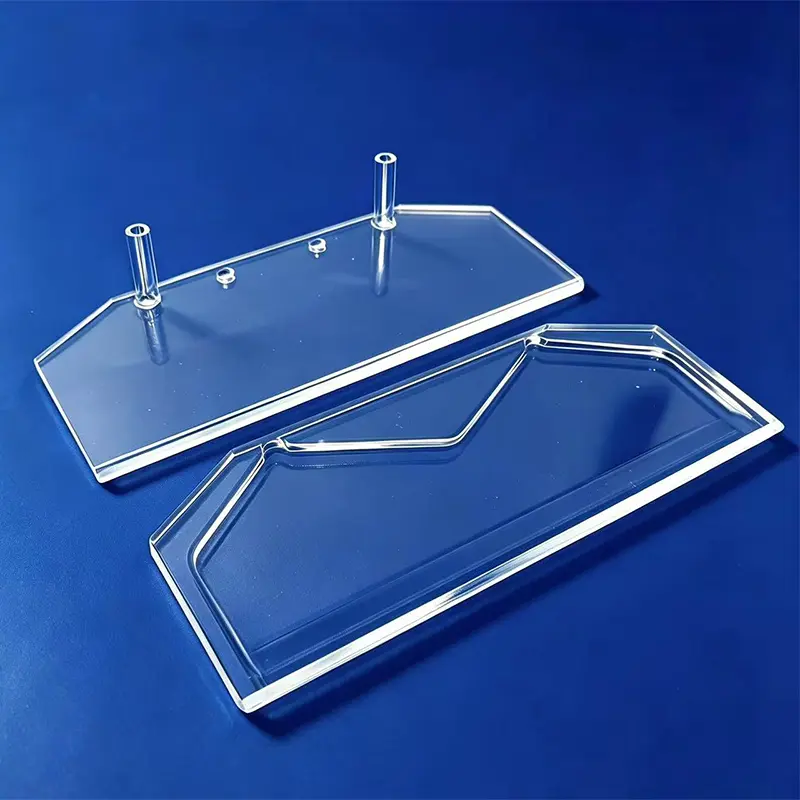
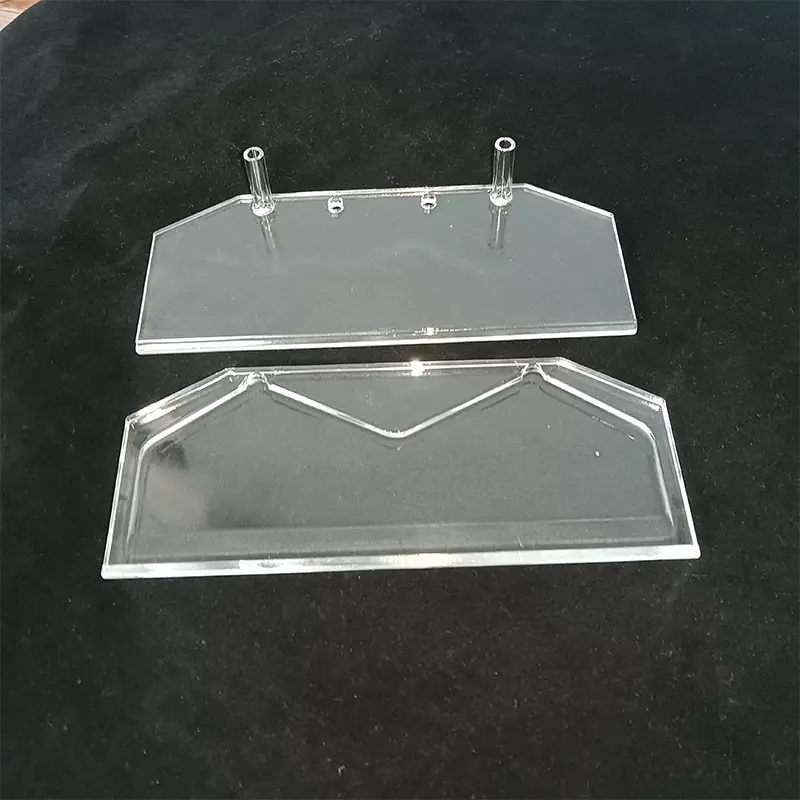
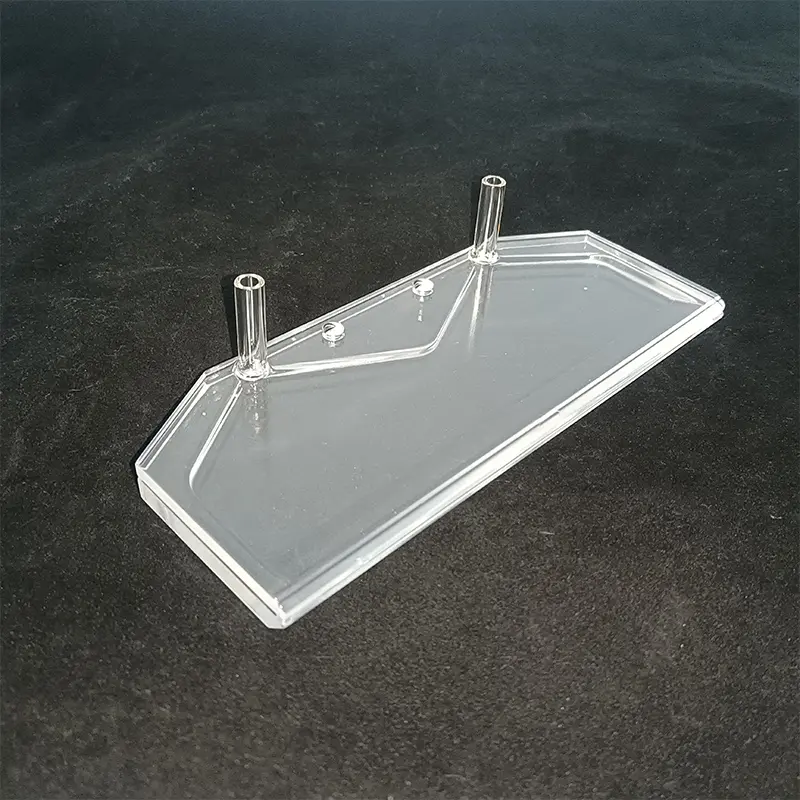
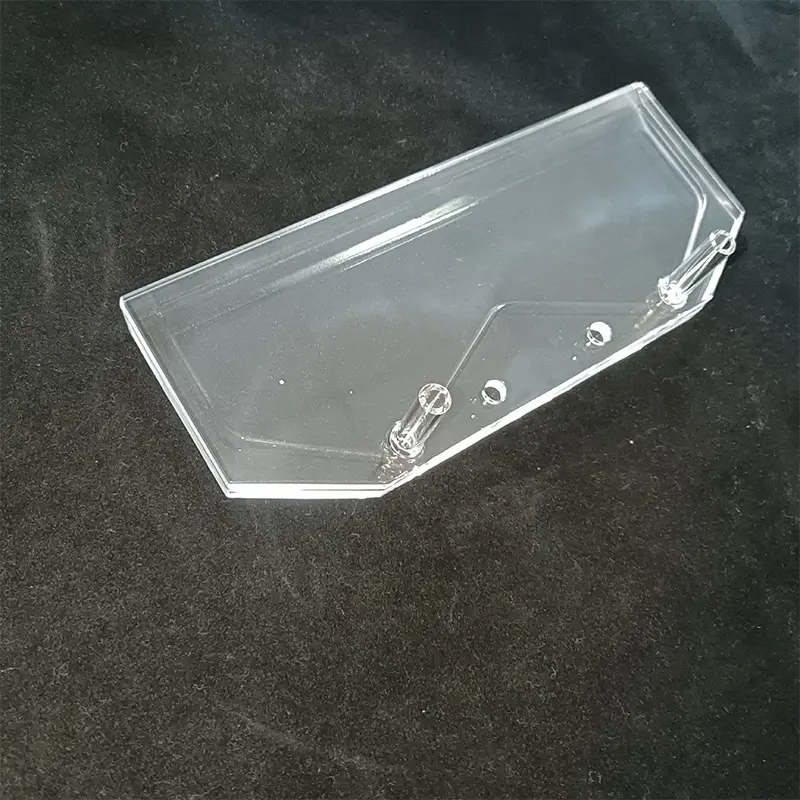
CNC grooving, double-sided optical polishing, high-temperature quartz welding
-20℃ ~ 1100℃
Aqueous solution, acid & alkali res, gas, organic solvents
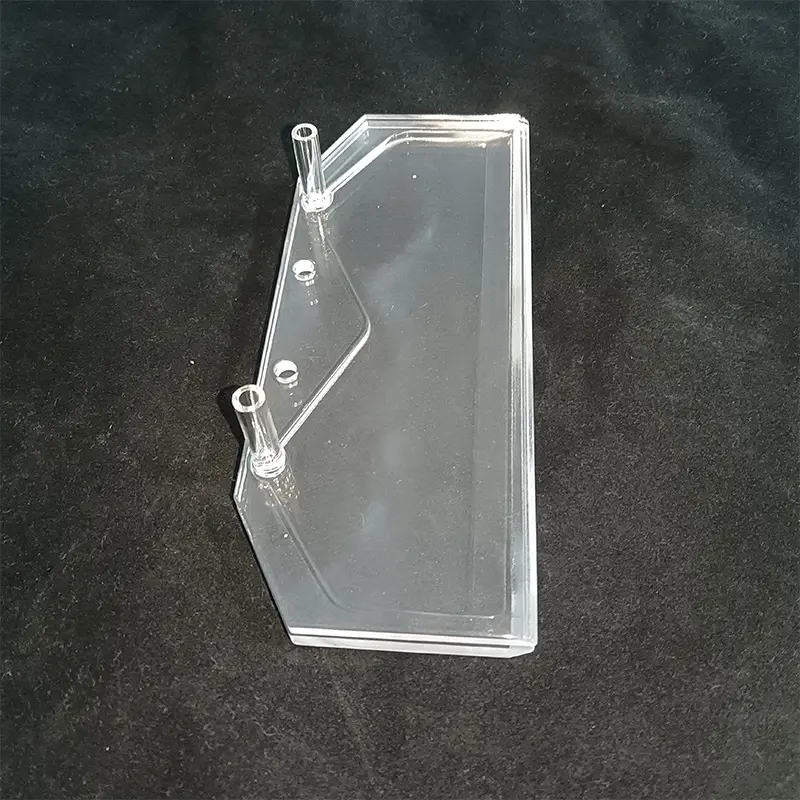
Profile, channel design, tube diameter, cavity thickness
| Material | JGS1 / JGS2 Fused Silica |
|---|---|
| Processing | CNC grooving, double-sided optical polishing, high-temperature quartz welding |
| Working Temperature | -20℃ ~ 1100℃ |
| Medium | Aqueous solution, acid & alkali res, gas, organic solvents |
| Custom Options | Profile, channel design, tube diameter, cavity thickness |
JGS1 is a high-purity synthetic fused silica offering superior optical transmission in the deep ultraviolet (UV) to visible spectra, free of bubbles and inclusions. JGS2 is standard optical fused quartz produced by gas refining, widely utilized across UV, visible, and near-infrared applications with high thermal stability and chemical purity.
Yes. With an operational temperature range of -20℃ to 1100℃ and an exceptionally low thermal expansion coefficient, JGS1 and JGS2 fused silica exhibit outstanding thermal shock resistance, preventing structural cracking during drastic heating and cooling cycles.
CNC grooving provides micron-level mechanical dimensional tolerances for microchannels and complex profiles. Double-sided optical polishing delivers high surface flatness and sub-nanometer surface roughness (Ra), minimizing beam scattering and ensuring crystal-clear optical clarity.
Yes. Fused silica offers exceptional chemical inertness against neutral aqueous solutions, strong acids (excluding hydrofluoric acid), common alkaline res at regulated temperatures, and aggressive organic solvents, making it ideal for microfluidics and chemical reaction monitoring.
High-temperature quartz welding fuses components seamlessly at the molecular level. This ensures leak-free joints capable of sustaining the same rigorous mechanical and thermal loads as the bulk substrate, without introducing volatile adhesives or optical interference.
We support tailored customization covering overall profile dimensions, microfluidic channel layout and routing, outer and inner tube diameters, as well as optical cavity thickness to meet your exact instrument integration and analytical parameters.






