Wholesale High Purity Quartz Rod / Fused Silica Rod for Semiconductors & Laboratory - China Suppliers and Factory Factories, Products

,
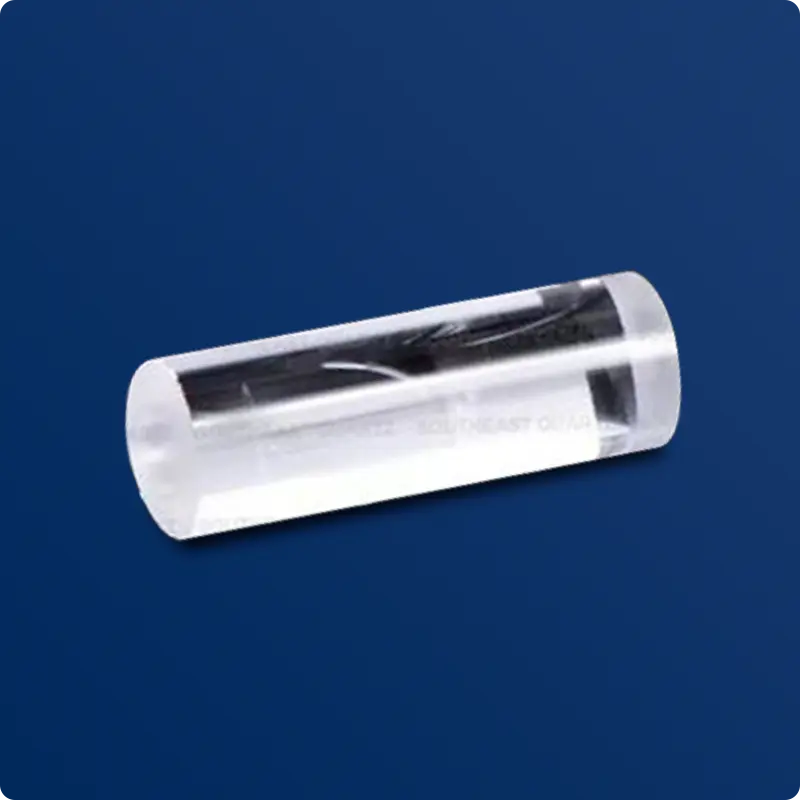
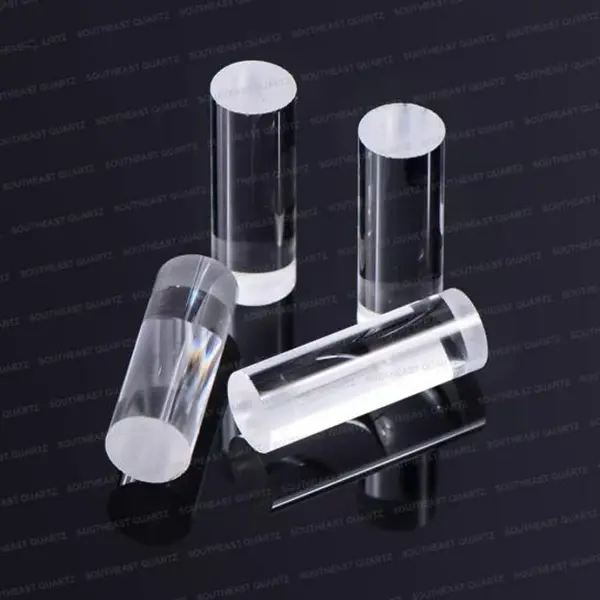
Our quartz rods are high-performance cylindrical products crafted from premium fused silica (SiO₂ ≥ 99.99%), sourced from leading China suppliers. These rods exhibit exceptional high-temperature resistance, with a softening point around 1730°C and the ability to withstand long-term usage at 1100°C. They also boast excellent UV-IR transmittance, minimal thermal expansion, and outstanding chemical inertness, making them resistant to most acids, with the exception of HF. Additionally, these quartz rods provide superb electrical insulation. Commonly utilized in optics, semiconductors, lasers, laboratory instruments, and high-temperature equipment, they are essential materials for precision applications and harsh environments, manufactured in our state-of-the-art factory.
,
,

A quartz rod is a cylindrical component made from high-purity silicon dioxide (SiO₂). Produced by melting natural or synthetic quartz, our products are formed into solid rods through advanced drawing or molding processes, ensuring reliability and quality.

,

These quartz rods act as fundamental semi-finished materials, ideal for further fabrication into tubes, supports, or optical components, catering to diverse industrial needs.

,
,

Product Description

Product Specifications
Product Details
📐Cross-sectional Dimensions 🎯Tolerances 📏Standard Lengths
3×3 ±0.1 100–1000
4×4 ±0.1 100–1000
5×5 ±0.1 100–1000
6×6 ±0.15 100–1000
8×8 ±0.15 100–1000
10×10 ±0.2 100–1000
15×15 ±0.2 100–500
20×20 ±0.25 100–500
❓ Frequently Asked Questions
🔹 What do the cross-sectional dimensions refer to in this table?
The cross-sectional dimensions (e.g., 3×3, 10×10) refer to the width and height of the material's cross-section measured in millimeters. These dimensions define the physical size profile of each piece.
🔹 What does the tolerance value mean, and why does it vary?
Tolerance indicates the allowable deviation (in mm) from the specified dimension during manufacturing. Larger cross-sections typically have slightly higher tolerances (e.g., ±0.25 for 20×20) due to the increased complexity of precision machining at larger scales.
🔹 Why are the standard lengths shorter for larger cross-sections (15×15 and 20×20)?
Larger cross-section sizes (15×15 and 20×20) have a maximum standard length of 500mm rather than 1000mm. This is typically due to material handling, structural stability, and manufacturing process limitations associated with larger profiles.
🔹 Can I order custom lengths outside the standard range listed?
The table reflects standard available lengths. For custom lengths outside the listed range (100–1000mm or 100–500mm), it is recommended to contact the supplier or manufacturer directly to discuss custom cutting or special order options.
🔹 Are all dimensions listed available for immediate stock ordering?
Availability may vary depending on the supplier's current inventory. While the dimensions listed represent standard product offerings, it is advisable to confirm stock availability — especially for larger sizes like 15×15 and 20×20 — before placing a bulk order.
🔹 What material standard or industry specification do these dimensions comply with?
The cross-sectional dimensions and tolerances listed are typically aligned with standard precision engineering or manufacturing specifications. The exact material standard (such as ISO, DIN, or ASTM) may vary by product type and region — please refer to the product datasheet or contact the supplier for specific compliance information.

Related Products