Q
What do the outer diameter and inner diameter values in the table represent?
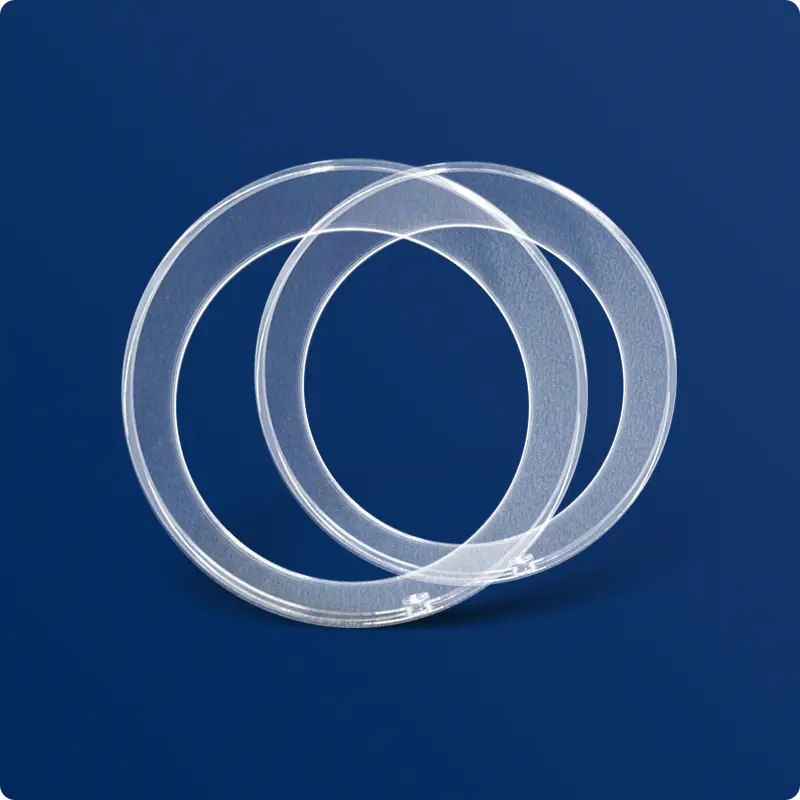
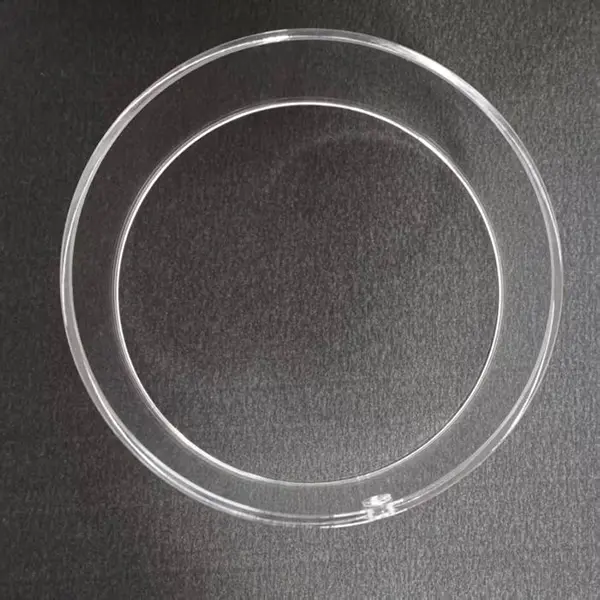
The outer diameter refers to the total outside measurement of the component, while the inner diameter refers to the bore or hole size. Multiple inner diameter options (e.g., 15/20) indicate that different bore sizes are available for the same outer diameter.
Q
Why do tolerances increase as the outer diameter gets larger?
Larger components are subject to greater dimensional variation during manufacturing due to material behavior, thermal expansion, and machining limitations. As a result, tolerance values are proportionally wider for larger outer diameters to reflect realistic manufacturing precision.
Q
Are custom dimensions available outside the listed specifications?
Yes. The table lists standard available sizes. Custom outer diameters, inner diameters, heights, and tighter tolerances can be discussed with our engineering team based on your specific application requirements.
Q
What does the height range (e.g., 5~20) indicate?
The height range indicates the minimum and maximum height (thickness) available for that particular outer diameter size. You can select any height within the specified range to suit your design needs.
Q
Are the tolerance values the same for outer diameter, inner diameter, and height?
Not always. For larger sizes (e.g., OD 150mm and above), the height tolerance may differ from the diameter tolerances. For example, at OD 150mm, the diameter tolerances are ±0.8mm while the height tolerance is ±0.5mm. Always refer to each column individually for accurate values.
Q
What units are all dimensions listed in?
All dimensions including outer diameter, inner diameter, height, and their respective tolerances are expressed in millimeters (mm). If you require conversions to inches or other units, please contact us for assistance.