Precision-manufactured from high-purity natural silica sand (≥99.99% SiO₂) with rigorous helium-leak and vacuum pressure testing.





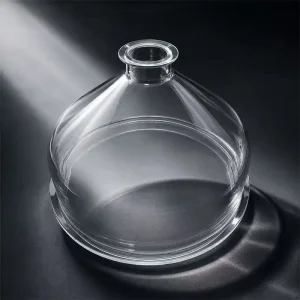
Trace metallic impurities controlled below 15 ppm for zero-contamination wafer batches.
Exceptional thermal stability supporting sustained working temperatures of 1100 °C - 1250 °C.
Withstands instantaneous quenching into ice water without thermal shock cracking.
Helium mass spectrometry certified for sub-atmospheric CVD and high-vacuum chambers.
In the contemporary advanced manufacturing ecosystem, high-purity quartz (Fused Quartz & Fused Silica) operates as the indispensable backbone of thermal processing, chemical synthesis, and metrological testing. As semiconductor fabrication migrates deeper into sub-3nm nodes, photovoltaic cells transition to high-efficiency N-type TOPCon/HJT architectures, and analytical laboratories deploy inductively coupled plasma mass spectrometry (ICP-MS) capable of parts-per-trillion (ppt) detection, the demand for certified quartz test apparatus has escalated globally.
Procurement teams and engineering directors searching for a verified wholesale quartz test supplier require far more than generic glassware distributors. Fused quartz utilized in test chambers, furnace tubes, pyrometer viewing windows, and wafer carrier boats must endure cyclic thermal shocks up to 1,250 °C while maintaining chemical passivity in hydrochloric, nitric, and hydrofluoric cleaning cycles. The global commercial landscape is characterized by concentrated upstream supply of ultra-high-purity quartz sands (predominantly mined in Spruce Pine, North Carolina, and refined in regional clusters such as Donghai County, China) combined with precision cold-machining and lathe flame-working capabilities.
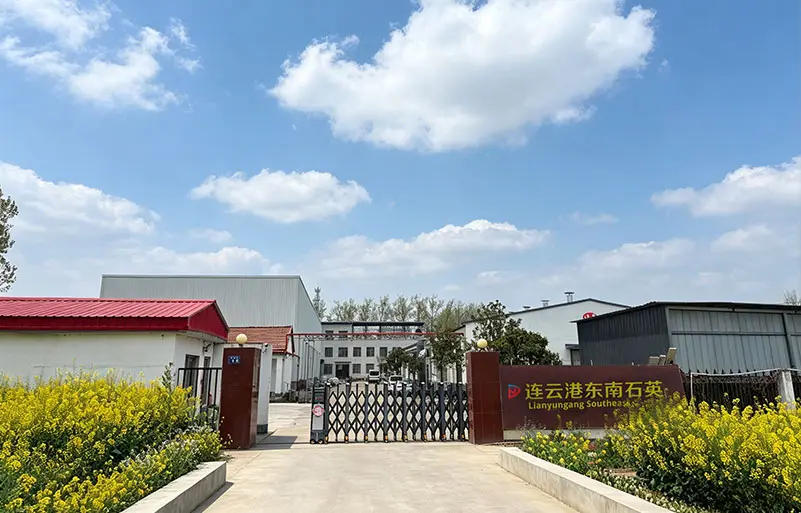
Lianyungang Southeast Quartz Products Co., Ltd. (operating from No. 1 Qingsheng Rd., Qinghu Industrial Park, Donghai County, Jiangsu, China) anchors itself directly within this critical geographical cluster. With factory-direct fabrication integrating plasma fusing, automated CNC slotting, precision glass-blowing lathes, and 100% helium mass-spectrometric vacuum inspection, wholesale buyers gain resilient access to standard and tailored quartzware without multi-tier broker markup.
Specifying quartz testing hardware requires an understanding of how elemental impurities dictate operational longevity and process yield. The table below delineates the elemental contamination thresholds governing standard commercial vs. semiconductor-grade fused quartz test components.
| Impurity Element (ppm) | Standard Lab Grade Quartz | Solar / PV High-Temp Grade | Semiconductor Metrology Grade | Analytical Synthetic Silica |
|---|---|---|---|---|
| Aluminum (Al) | 14.0 - 20.0 | 8.0 - 14.0 | < 7.0 | < 0.05 |
| Iron (Fe) | 0.8 - 1.5 | 0.2 - 0.5 | < 0.1 | < 0.01 |
| Alkali Metals (Na, K, Li) | 2.5 - 4.0 | 1.0 - 2.0 | < 0.5 | < 0.02 |
| Calcium & Magnesium (Ca, Mg) | 1.2 - 2.5 | 0.5 - 1.0 | < 0.4 | < 0.02 |
| Titanium & Copper (Ti, Cu) | 1.5 - 3.0 | 0.8 - 1.2 | < 0.2 | < 0.005 |
| Hydroxyl Radical (OH⁻ content) | 150 - 220 | 30 - 80 | < 20 (Low-OH) / > 1000 (Opt) | < 5 (VUV Dry Grade) |
| Maximum Devitrification Resistance | 1,050 °C continuous | 1,150 °C continuous | 1,200 °C continuous | 1,280 °C continuous |
Strategic supply chain analysis tracking how evolving thermal, chemical, and dimensional tolerances are restructuring wholesale quartz procurement.
Wafer scaling requires furnace tubes with outer diameters exceeding 400mm to 650mm. Maintaining radial wall uniformity (±0.2mm tolerance) across large-bore quartz tubes prevents thermal gradients that warp silicon test wafers during rapid thermal annealing (RTA).
Hydroxyl content (OH⁻) directly lowers quartz viscosity and promotes premature devitrification into cristobalite above 1000 °C. Leading wholesale suppliers now utilize RF plasma fusion to drive OH⁻ concentration below 15 ppm, doubling tube operating lifespan in corrosive etch environments.
Traditional flame-bent quartz boats are giving way to monolithic 5-axis CNC ultrasonic machined quartzware. Slotted wafer carriers machined directly from fused quartz ingots eliminate micro-weld stresses, guaranteeing wafer pitch repeatability within ±0.05mm.
Advanced optical test equipment demands quartz viewports with zero internal bubble inclusion (DIN 58927 Class 0/1) and over 92% internal transmittance across 200nm to 2500nm spectra, serving excimer laser diagnostics and thermal imaging sensors.
Leading suppliers now enforce Class 1000/100 ultrasonic acid etching and vacuum double-poly packaging with lot-specific ICP-MS certificates, ensuring components drop directly onto fab cleanroom lines without site-level re-cleaning.
Custom engineered joints—such as water-cooled quartz flanges, KF/NW high-vacuum adapters, and precision ground standard tapers (ST 24/40, ST 29/42)—are factory fused onto test reactor tubes to eliminate elastomeric sealing failures at elevated temperatures.
Detailed examination of operational conditions where thermal integrity, chemical non-reactivity, and zero ionic migration are mission-critical.
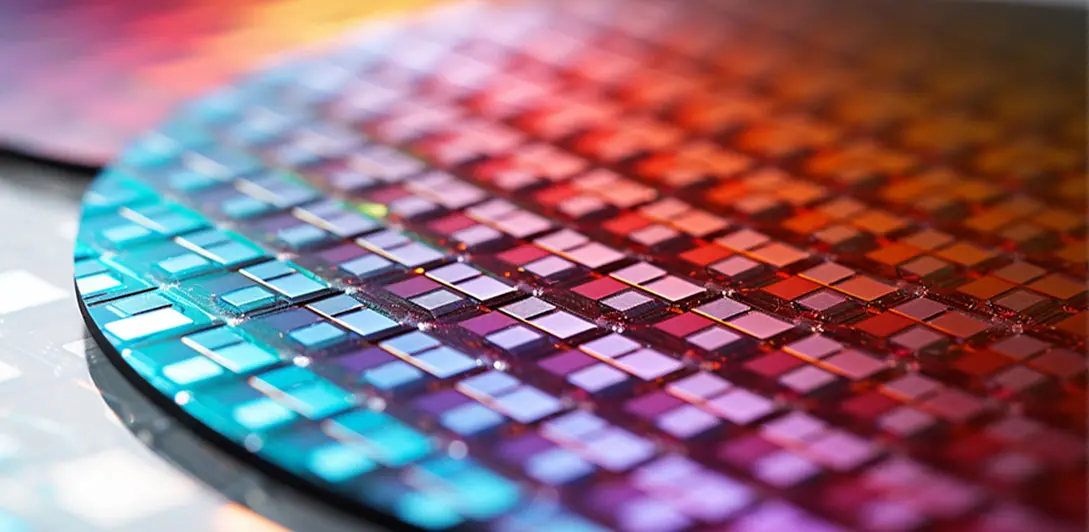
Employed in atmospheric horizontal/vertical diffusion, wet-oxidation, LPCVD, and rapid thermal processing (RTP). Quartz furnace tubes and carrier boats isolate wafers from metal contamination under prolonged 1,150 °C thermal soak.
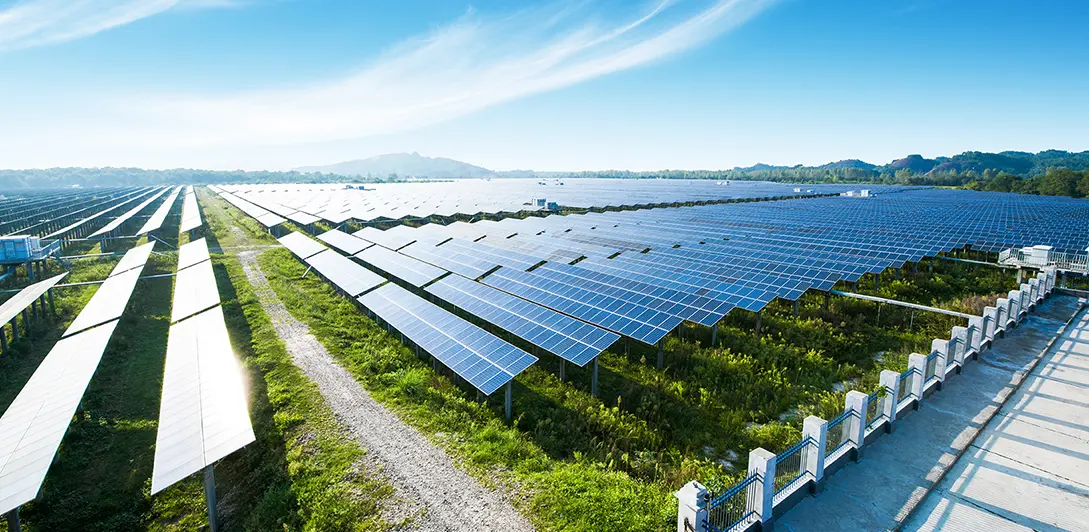
Critical components for POCl₃ boron/phosphorus diffusion tube reactors, single-crystal silicon ingot growth crucibles, and inline anti-reflective PECVD coating carriers in TOPCon and Heterojunction (HJT) cell production.
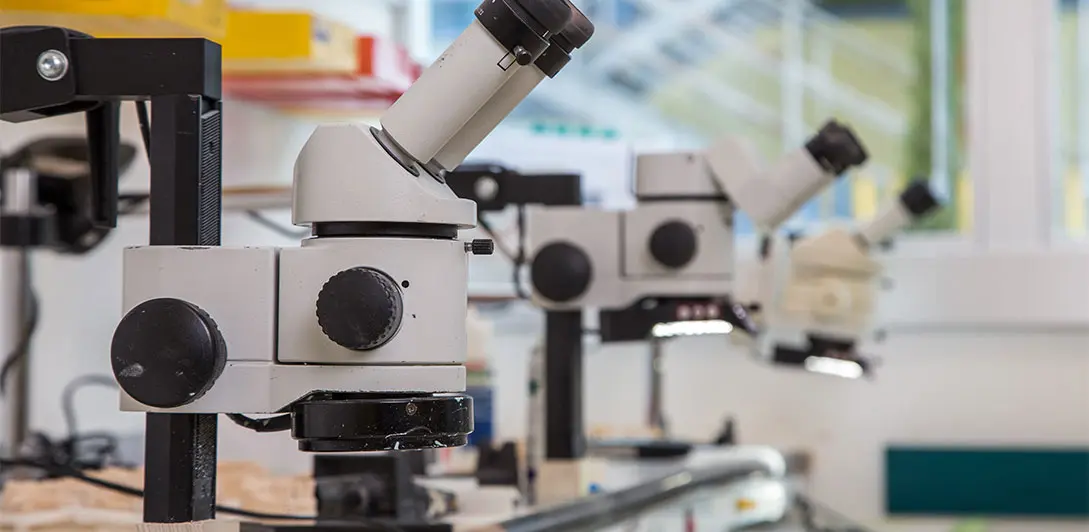
Fabricated into high-transmittance spectrophotometer flow cells, laser cavity flashlamp envelopes, pyrometric sight glasses, and excimer lithography optical windows with broadband UV-to-near-IR clarity.
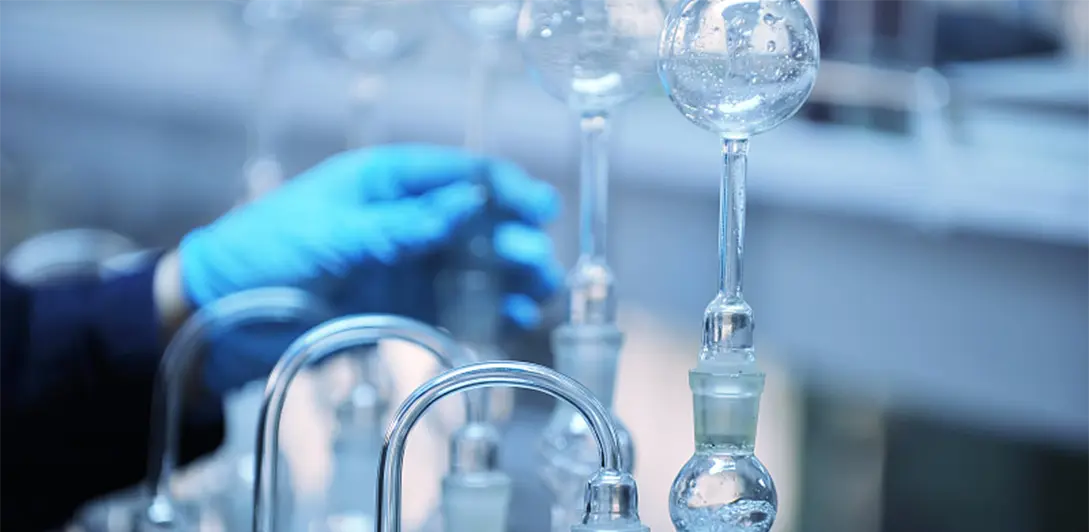
Applied in ultra-trace acid digestion vessels, high-temperature catalytic fluidized beds, ozone generator dielectric tubes, and 3-port bubblers where aggressive halogens and high thermal fluxes corrode borosilicate glass.
Lianyungang Southeast Quartz enforces strict dimensional, thermal, and purity verifications at every conversion milestone.
The most prevalent failure mechanism in high-temperature quartz testing is devitrification—the phase transformation of metastable amorphous fused silica into crystalline beta-cristobalite, which upon cooling to 250 °C transitions to alpha-cristobalite accompanied by a 5% volume contraction and extensive micro-cracking.
Accelerated devitrification occurs when surface contamination (particularly alkali metal ions such as Na⁺ and K⁺ from human fingerprints or process chemicals) acts as nucleation sites at temperatures above 1,000 °C. Southeast Quartz components are annealed in particle-free atmospheres and decontaminated through multi-stage ultra-pure water rinsing. We instruct all technical buyers to implement handle-with-gloves protocols and specify 5% to 10% HF acid immersion stripping to refresh quartzware surfaces prior to critical test runs.
Overcoming cross-border lead-time volatility, fragile freight breakages, and drawing translation discrepancies.
Our engineering center ingests customer CAD files in PDF, DWG, DXF, and STEP formats. Within 24 hours, experienced quartz technicians assess flame forming feasibility, wall thickness constraints, and thermal stress concentrations, issuing formal DFM (Design for Manufacturability) reports.
Fragility risks during international transit are mitigated through customized wooden crates with high-density EPE foam suspension, internal vacuum-sealed nitrogen cushioning, and dynamic 3-axis drop indicators. Our CIF and DDP maritime and air shipping routes guarantee intact delivery across Europe, the Americas, and APAC.
By sourcing raw crystal materials in Donghai County and processing everything from ingot sawing to optical polishing under one roof, wholesale clients capture 25% to 40% cost reductions relative to Western OEM replacement parts, with identical metallurgical tolerances.
Founded in 2015 in Qinghu Industrial Park, Donghai County, Jiangsu, China. Operating with over 100 skilled glassblowers, CNC operators, and quality inspection specialists. Holding 200+ utility model patents and delivering certified quartz tubes, boats, bell jars, and testware across 40+ international markets.
In-depth answers directly resolving search intent around thermal resistance, dimensional tolerances, material selection, and testing protocols.
To provide an actionable engineering review and rapid quotation, our team requires outer diameter (OD), inner diameter (ID) or wall thickness, overall length, dimensional tolerances (per ISO 2768-m or fine), end-form specifications (open, fire-polished, flat ground, KF/ISO vacuum flange, or ground ball joints), operational temperature profiles, working gas atmospheres (reducing, oxidizing, corrosive halogens), and an engineering drawing in PDF, DWG, or STEP format.
High-purity transparent fused quartz exhibits a transformation point near 1,075 °C, an annealing point at approximately 1,180 °C, and a softening point of 1,683 °C. Under continuous operations, quartzware maintains structural integrity at 1,100 °C, and can endure short-term peaks up to 1,250 °C - 1,300 °C. Operations above 1,150 °C require horizontal tube support to eliminate thermal creep sag under its own weight.
All sealed vessels, bell jars, bubbler assemblies, and flanged furnace test tubes undergo vacuum qualification on Pfeiffer or INFICON helium mass-spectrometer leak detectors. Our testing threshold guarantees helium leakage rates below 1×10⁻⁹ mbar·l/s, accompanied by positive pressure hydrostatic validation up to designated burst thresholds before export packaging.
Yes. Our workshop combines heavy-duty glass-blowing lathes with 5-axis CNC diamond milling. We regularly produce oversized fused quartz tubes with outer diameters up to 650mm and lengths over 3,000mm, alongside slotted quartz boats, dual-wall water-cooled reactors, clear quartz domes, and irregular precision ground window plates.
To prevent alkali-induced devitrification, quartzware should never be handled with bare hands. Cleaning protocols dictate soaking in a 5% to 10% hydrofluoric (HF) acid bath for 5 to 10 minutes to dissolve surface contamination, followed by extensive rinsing with ultra-pure deionized (DI) water (≥18 MΩ·cm) and drying in an ISO Class 5 laminar flow hood before thermal cycling.
Standard tubes and raw stock dispatch in 3 to 7 business days. Custom CNC-machined boats, oversized bell jars, or flanged reactor assemblies typically require 10 to 20 days depending on tooling complexity. Shipments include material purity certificates, CMM dimensional inspection sheets, vacuum test certificates, and full customs documentation (Commercial Invoice, Packing List, Certificate of Origin).
Wholesale fused silica plates, specialized lamp holders, and customized high-purity quartzware engineered for relentless industrial duty.

