Custom Fused Silica Quartz Plate – Heat Resistant Supplier, Factories

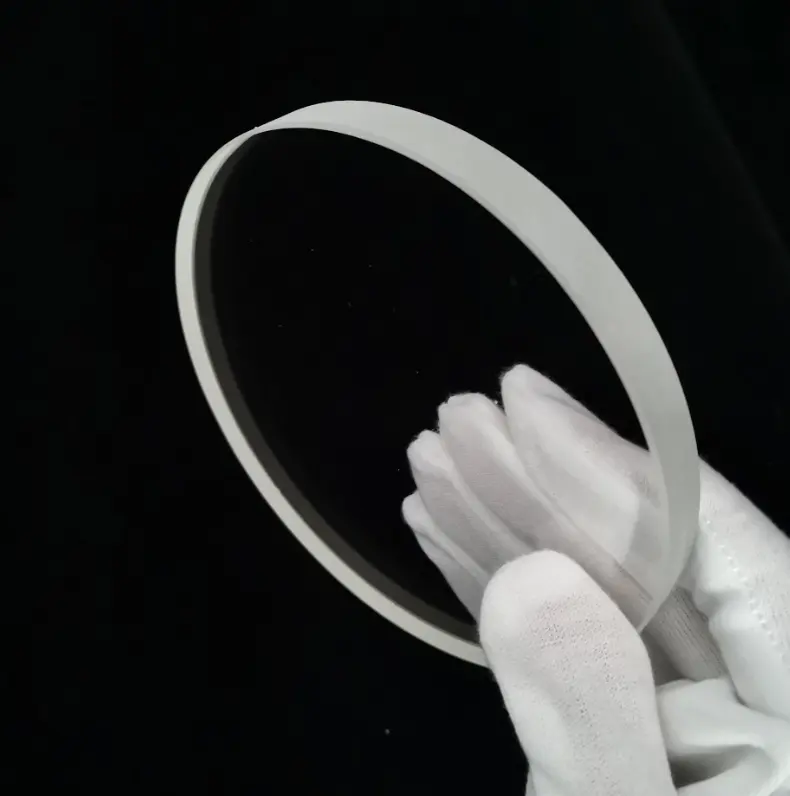
Quartz sheets are made from high-purity quartz material and have the characteristics of high temperature resistance, high light transmittance, and low coefficient of expansion. They can be customized in size and thickness and are widely used in optical windows, semiconductor manufacturing processes, laboratory glassware and other fields. They are key components of optoelectronic and scientific research equipment.

A quartz plate is a flat sheet made from high-purity silicon dioxide (SiO₂), also known as fused quartz plate or quartz glass plate. It is produced by melting natural or synthetic high-purity quartz and then cutting and polishing it into flat panels.

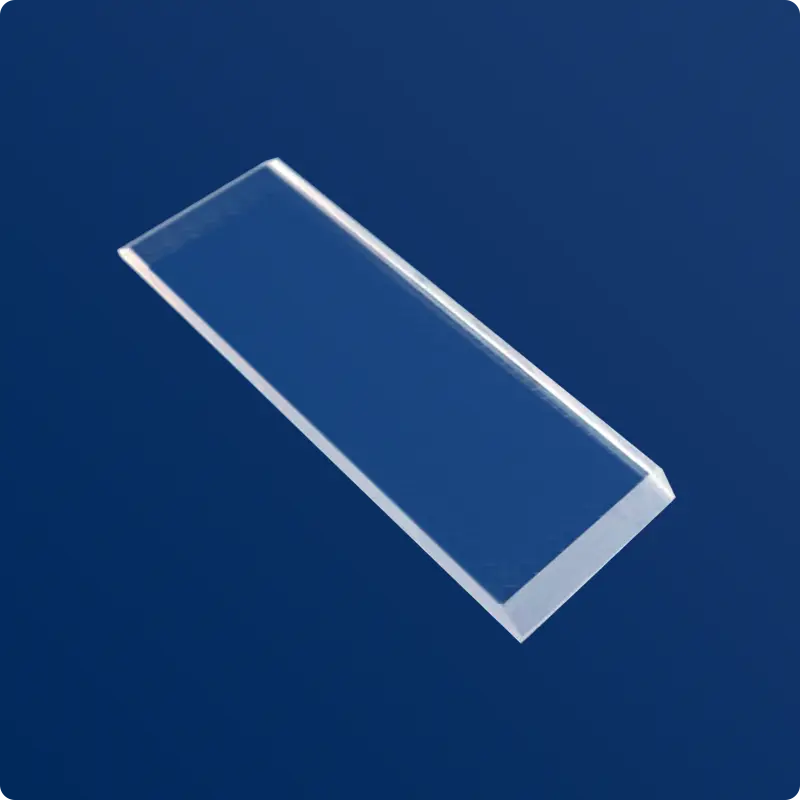
Product Description

Product Specifications
Length × Width (mm) Dimensional Tolerances (mm) Standard Thickness (mm) Thickness Tolerances (mm)
10 × 10 ±0.1 0.5 / 1.0 / 2.0 ±0.05 ~ ±0.1
20 × 20 ±0.1 0.5 / 1.0 / 2.0 / 3.0 ±0.05 ~ ±0.1
30 × 30 ±0.1 1.0 / 2.0 / 3.0 ±0.05 ~ ±0.1
40 × 40 ±0.1 ~ ±0.2 1.0 / 2.0 / 3.0 / 4.0 ±0.08 ~ ±0.1
50 × 50 ±0.1 ~ ±0.2 1.0 / 2.0 / 3.0 / 5.0 ±0.08 ~ ±0.1
60 × 60 ±0.2 2.0 / 3.0 / 5.0 ±0.1
80 × 80 ±0.2 2.0 / 3.0 / 5.0 ±0.1
100 × 100 ±0.2 ~ ±0.3 2.0 / 3.0 / 5.0 ±0.1
150 × 150 ±0.3 3.0 / 5.0 ±0.1 ~ ±0.2
200 × 200 ±0.3 ~ ±0.5 3.0 / 5.0 ±0.1 ~ ±0.2
Custom dimensions and custom tolerance requirements are available upon request.
Diameter Φ (mm) Diameter Tolerances (mm) Standard Thickness (mm) Thickness Tolerances (mm)
10 ±0.1 0.5 / 1.0 ±0.05
20 ±0.1 0.5 / 1.0 / 2.0 ±0.05
25 ±0.1 0.5 / 1.0 / 2.0 ±0.05
50 ±0.1 ~ ±0.2 1.0 / 2.0 / 3.0 ±0.05 ~ ±0.1
70 ±0.2 1.0 / 2.0 / 3.0 ±0.1
80 ±0.2 2.0 / 3.0 ±0.1
100 ±0.2 ~ ±0.3 2.0 / 3.0 / 5.0 ±0.1
150 ±0.3 3.0 / 5.0 ±0.1 ~ ±0.2
200 ±0.3 ~ ±0.5 3.0 / 5.0 ±0.1 ~ ±0.2
Edge grinding, beveling, and fine optical polishing options available upon inquiry.
Frequently Asked Questions
What are the standard dimensional tolerances for quartz plates and discs?
Dimensional tolerances depend on size. Smaller components (10 mm to 30 mm) feature tight tolerances of ±0.1 mm, while medium-sized units (40 mm to 80 mm) range from ±0.1 mm to ±0.2 mm. Larger plates and discs up to 200 mm carry tolerances between ±0.3 mm and ±0.5 mm.
What standard thickness options are available?
Standard thickness profiles include 0.5 mm, 1.0 mm, 2.0 mm, 3.0 mm, 4.0 mm, and 5.0 mm. Thickness precision ranges from ±0.05 mm for thinner profiles up to ±0.2 mm for thicker substrates.
What is the primary difference between square plates and round discs in application?
Round quartz discs are most commonly integrated into sight glasses, circular viewports, pressure windows, and optical lens fixtures. Square quartz plates are widely utilized in semiconductor carriers, substrate bases, thermal furnace viewing panels, and laboratory slide assemblies.
How do quartz components handle thermal shock and high operating temperatures?
Quartz material offers an extremely low coefficient of thermal expansion, providing outstanding resistance to thermal shock. It can withstand continuous operating temperatures up to 1100°C and short-term peak exposures up to 1300°C without compromising structural integrity.
Can these components be fabricated to custom dimensional tolerances?
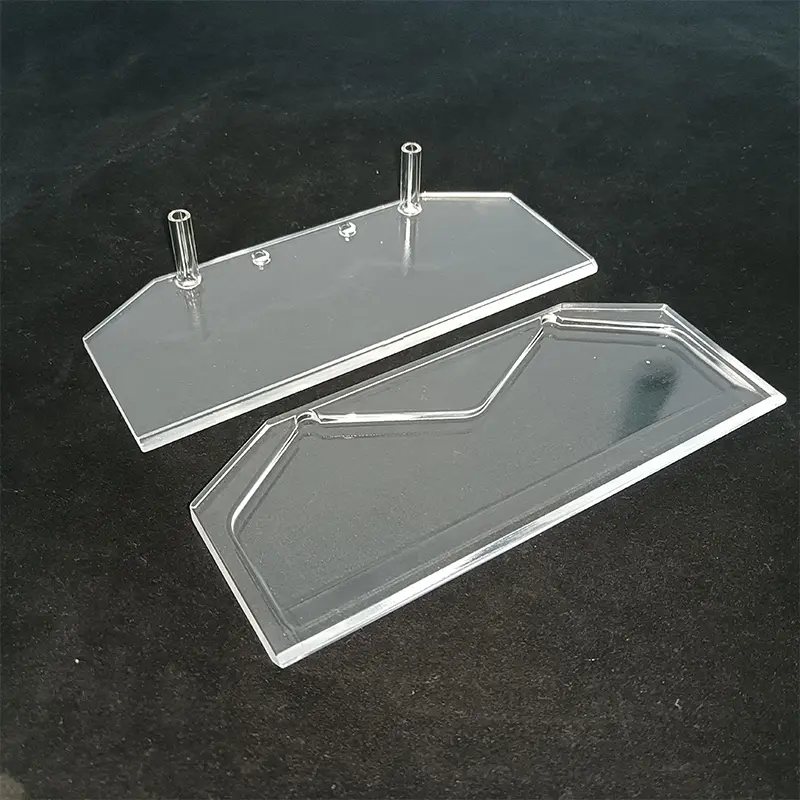
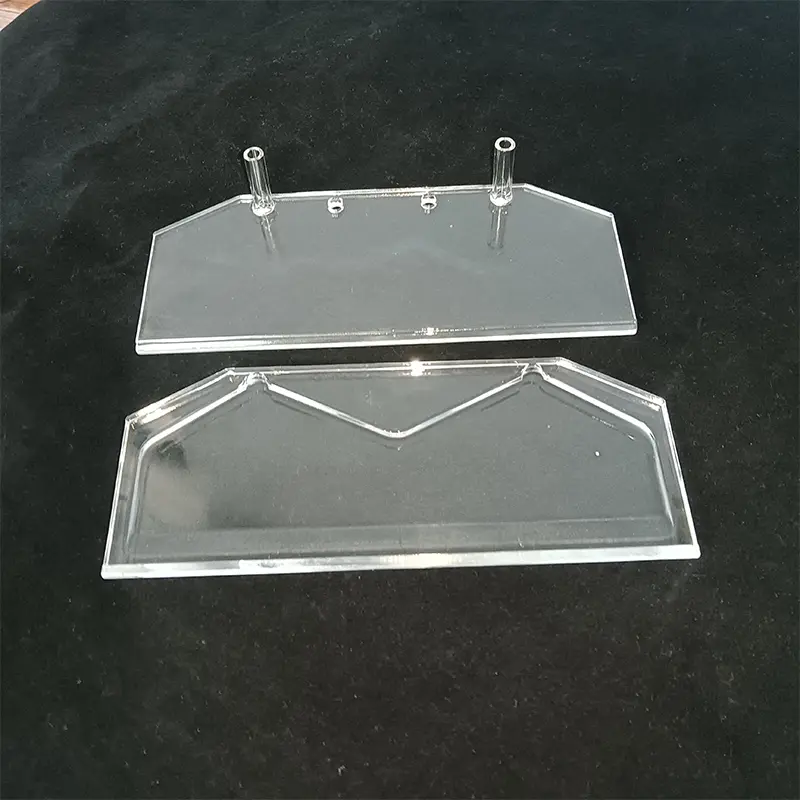
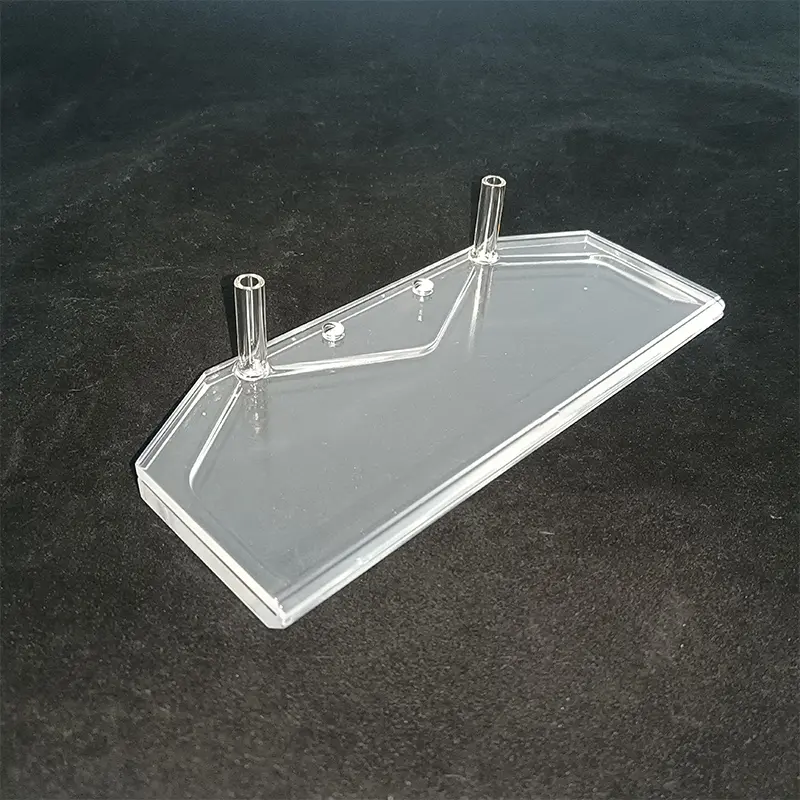
Yes, beyond the standard dimensions listed in the specification tables, tailored fabrication with custom lengths, diameters, step designs, hole drillings, and tighter precision tolerances is fully supported.

Related Products